
You can find several Invisalign options in Bradenton that fit different budgets and treatment goals, from full corrective plans to limited or teen-focused programs tailored for milder issues and growth needs. A local Invisalign provider can quickly tell you which option matches your smile and lifestyle after an exam and digital scan.
They will explain how aligners move teeth, what makes certain plans faster or more budget-friendly, and whether attachments or refinements might be needed. Expect a clear roadmap of the treatment steps, care tips, and what life looks like during and after Invisalign so you can decide with confidence.
How Invisalign Works
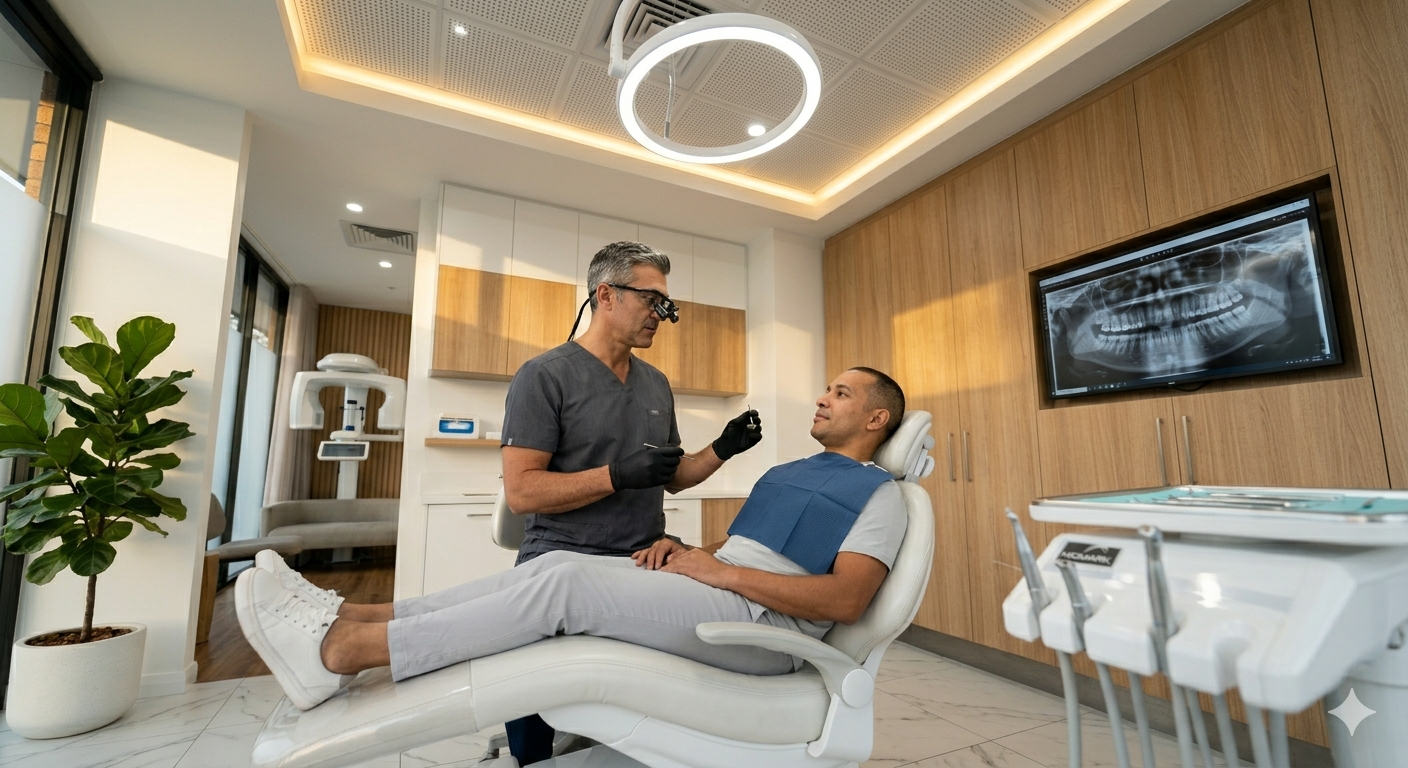
Invisalign moves teeth using a series of custom, removable trays that gradually apply controlled force. The process relies on digital planning, precision fabrication, and regular check-ins to keep treatment on track.
The Clear Aligner System Explained
Invisalign begins with a digital scan or physical impressions to map the patient’s teeth and bite. The dentist or orthodontist uses that scan to create a step-by-step digital treatment plan showing each minor tooth movement from start to finish.
A series of clear polyurethane aligners is then fabricated to match that plan. Each aligner fits snugly and is worn about 20–22 hours per day for roughly one to two weeks before switching to the next tray. Aligners apply targeted pressure to specific teeth, using built-in features like attachments (tooth-colored bumps bonded to teeth) to help rotate or lift teeth when needed.
Progress is checked every 6–10 weeks so the provider can monitor movement and adjust the plan if necessary. Most patients finish treatment in 6–18 months, depending on case complexity, compliance, and whether refinements are required.
What Makes Invisalign Different
Invisalign uses transparent, custom-molded aligners made from SmartTrack material, which offers consistent force delivery and better fit than some generic clear trays. The system integrates 3D computer modeling (ClinCheck) so patients and providers can visualize final results before starting.
Unlike fixed braces, Invisalign avoids metal brackets and wires, reducing irritation to lips and cheeks. It also allows easier oral hygiene because patients remove trays to brush and floss normally. Providers can combine Invisalign with other treatments—such as attachments, interproximal reduction (slenderizing teeth), or temporary anchorage devices—for greater control in complex cases.
Insurance coverage and payment options often parallel those for traditional orthodontics, and many practices in Bradenton offer virtual monitoring or teledentistry to reduce in-office visits.
Daily Life With Invisalign
Patients wear aligners most of the day but remove them for eating and oral care, which keeps diet unrestricted. Removing trays for meals prevents food trapping and makes brushing and flossing straightforward, reducing the risk of cavities and gum issues during treatment.
Cleaning aligners requires a simple routine: rinse after removal, brush gently with a soft toothbrush, and soak with a recommended cleanser several times per week. Patients should avoid hot water, which can warp the plastic, and avoid colored drinks while wearing trays to prevent staining.
Comfort-adjustment typically takes a few days when switching trays; mild soreness is normal and can be managed with over-the-counter pain relief. For social or professional occasions, short removals are fine, but consistent wear remains essential for timely results. Patients are encouraged to ask their Bradenton provider about nighttime-only options, progress checks, and any concerns about speech or fit.
Types of Invisalign Treatments in Bradenton
These Invisalign options address a range of needs: comprehensive correction, moderate changes, teen-specific features, and short-term alignment. Each type differs in treatment length, complexity, and patient eligibility.
Invisalign Full
Invisalign Full treats moderate to complex misalignment, including crowding, spacing, overbite, underbite, and rotated teeth. It typically includes an unlimited number of aligners and refinements until the planned results are achieved, making it the go-to choice for adults seeking comprehensive correction.
Treatment time usually ranges from 12 to 24 months, depending on case complexity. Patients wear aligners 20–22 hours per day and change them every 1–2 weeks. Regular check-ins with the Bradenton provider ensure tracking and adjustments.
Candidates for Full often include adults with multiple alignment issues or those who previously had braces and need retreatment. Cost is higher than limited options but includes full monitoring, refinements, and often attachments for complex tooth movements.
Invisalign Lite
Invisalign Lite suits mild to moderate cases needing fewer aligner sets and a shorter timeline. It commonly covers minor crowding, small gaps, and slight bite issues, with treatment typically completed in 6–12 months.
Providers limit aligner quantity—usually up to 14–20 sets—so treatment is faster and less costly than Full. Patients still follow the 20–22 hour wear protocol and attend periodic check-ups in Bradenton to confirm progress.
This option appeals to adults who want noticeable improvement without the investment of a full treatment plan. It balances affordability and effectiveness for predictable, less-complicated movements.
Invisalign Teen
Invisalign Teen adapts the Full system to adolescents’ needs by including compliance indicators and eruption compensation for developing teeth. The blue wear-time indicator fades to signal when aligners need replacement, helping parents and providers monitor adherence.
Treatment often runs 12–18 months, similar to Full for comparable complexity, but with features that accommodate new permanent teeth and growth. Aligners remain removable for sports and oral hygiene, which supports active teen lifestyles.
Providers in Bradenton pair Teen plans with parental involvement and school schedules. This option reduces the social impact of braces while maintaining clinical control over tooth movement and long-term stability.
Invisalign Express
Invisalign Express handles very mild alignment issues or quick cosmetic improvements. Treatment typically uses fewer than 10 aligners and finishes in 3–6 months, offering the fastest and least expensive route to subtle changes.
It suits patients with single-tooth rotations, minor spacing, or relapse after previous orthodontic work. Because the scope is limited, providers must assess whether Express will deliver a stable, predictable outcome.
Bradenton clinicians often recommend Express as a trial or touch-up option, coupled with retainers after completion to preserve results. Patients appreciate the short commitment and lower cost when only minimal correction is needed.
Is Invisalign the Right Fit for You?
Invisalign often suits adults and teens seeking a discreet, removable alternative to braces. It works best when patients can commit to wearing aligners 20–22 hours per day and attend regular check-ins with their Bradenton provider.
Ideal Candidates
Patients with mild to moderate tooth misalignment typically see the best results with Invisalign. This includes people with spacing issues, crowding up to about 6–8 mm, and mild to moderate overbite, underbite, or crossbite. Adults who value a low-profile look for professional or social reasons often prefer clear aligners over metal braces.
Teens can also be good candidates when they are responsible about wearing aligners and maintaining oral hygiene. Those with healthy gums and no active periodontal disease improve outcomes. Patients who smoke, grind their teeth severely, or frequently lose aligners may need alternative approaches or extra compliance support.
Treatable Dental Concerns
Invisalign effectively treats:
- Spacing: gaps between teeth can be closed incrementally.
- Crowding: teeth can be aligned by controlled movements and, if needed, minor interproximal reduction (IPR).
- Bite issues: mild to moderate overbites, underbites, and crossbites can be corrected with attachments and elastics when appropriate.
Aligners can also help prepare teeth for restorative work, like veneers or crowns, by achieving ideal positioning. Complex skeletal discrepancies usually require orthodontic appliances or surgery; Invisalign addresses primarily dental (tooth) alignment rather than major jaw alignment.
Limitations to Consider
Invisalign does not reliably correct severe skeletal problems or very large tooth movements. Cases requiring significant tooth rotation, extrusion, or vertical changes may need traditional braces or surgical intervention. Predictability drops for movements exceeding what aligner materials and attachments can safely achieve.
Patient compliance directly influences success; skipping wear time or not swapping trays on schedule prolongs treatment. Cost and insurance coverage vary, so confirm financing and plan details with the Bradenton clinic. Regular check-ups and possible refinements can add time and expense, though many practices provide clear timelines and transparent pricing.
The Invisalign Journey: Step by Step
Patients learn what to expect, how appointments proceed, and how progress gets tracked so they can plan time, cost, and daily care. The process moves from a detailed exam to a custom plan and then to wearing aligners with scheduled check-ins.
Initial Consultation
The first visit starts with a focused exam and records. The clinician takes digital scans, photos, and X-rays to map tooth positions and check jaw joints and gum health. These records determine if Invisalign suits the patient and whether preparatory treatments—like fillings, gum therapy, or interproximal reduction (minor enamel reshaping)—are needed first.
The dental team reviews goals and shows likely outcomes using ClinCheck or similar 3D software. That visualization demonstrates each tooth movement stage, estimated treatment length, and any attachments or elastics the plan requires. The staff also discusses insurance, financing, and typical wear-time expectations (20–22 hours per day).
Patients leave with a clear next step: proceed to planning, address any pre-treatment needs, or consider alternatives. The clinic schedules the custom planning appointment if the patient chooses to move forward.
Custom Treatment Planning
The provider converts scans into a step-by-step tooth-movement plan using 3D treatment software. Each stage moves specific teeth a fraction of a millimeter; the software maps those stages into a series of aligners. The dentist adjusts the plan to prioritize bite correction, root position, and esthetic goals while minimizing unwanted tooth tipping.
The plan specifies the number of aligners, expected total weeks, and whether attachments (tooth-colored bumps) or interarch elastics will be used. The team prints the plan for patient review and confirms logistics: lab turnaround time, cost estimate, and scheduling of attachment placement. They verify oral hygiene and complete any needed preparatory work before aligners are made.
Once approved, the lab fabricates the first set of aligners. The office contacts the patient to schedule the delivery and insertion visit.
Wearing and Progress Tracking
At the insertion visit, the clinician fits the first aligners, bonds any attachments, and demonstrates insertion/removal and cleaning methods. Patients receive written and verbal instructions: wear 20–22 hours daily, switch aligners every 1–2 weeks as directed, and carry a case for storage. Pain is usually mild and peaks 1–3 days after switching; over-the-counter analgesics help.
Follow-up appointments occur every 6–10 weeks to monitor movement, adjust attachments, and receive the next sets of aligners. The team measures progress against the original 3D plan and tweaks staging if teeth respond slower or faster than expected. Compliance trackers or apps may be offered to log wear time and remind patients to change aligners.
After finishing the active series, the dentist provides retainers and a retention schedule to maintain alignment. The office sets periodic reviews to check retainer fit and long-term stability.
Caring for Your Aligners and Smile
Keep aligners clean, protect them from stains, and follow wear instructions to stay on schedule and avoid setbacks. Small daily habits—rinsing, gentle brushing, and safe storage—preserve aligner clarity and oral health.
Cleaning and Maintenance Tips
Rinse aligners under lukewarm water every time they are removed to wash away saliva and debris. Avoid hot water; it can warp the plastic.
Brush aligners gently with a soft toothbrush and clear, fragrance-free soap twice daily to remove plaque and prevent odors. Do not use toothpaste; its abrasives can scratch and cloud the surface.
Soak aligners for 10–15 minutes a few times a week using manufacturer-approved cleaning crystals or a 1:10 mixture of white vinegar and water. Rinse thoroughly after soaking.
Store aligners in their ventilated case when not worn to reduce contamination and accidental damage. Replace cases if cracked or persistently smelly.
Attend scheduled check-ins so the provider can inspect fit and cleanliness. If an aligner cracks or becomes very discolored, contact the orthodontic office promptly for a replacement.
What to Avoid During Treatment
Do not eat or drink anything besides water while wearing aligners; food and colored drinks stain and trap sugars against teeth. Remove aligners before snacking or drinking coffee, tea, or soda.
Avoid chewing gum with aligners in place; gum can stick, tear, or warp the trays.
Do not clean aligners with household cleaners, bleach, or denture tablets not approved by the provider. These chemicals can degrade the plastic and irritate soft tissues.
Avoid leaving aligners exposed to high heat—inside a car, on a sunny countertop, or near hot water—because heat distorts the fit and may require replacement.
Do not skip prescribed wear time. Falling behind on daily hours or skipping aligner sets can prolong treatment and may require refinements. If aligners feel uncomfortable beyond normal adjustment, contact the dental team for guidance.
Comparing Invisalign to Other Orthodontic Options
Patients often weigh treatment time, aesthetics, and daily comfort when choosing orthodontics. Cost, maintenance, and predictability also shape the decision.
Invisalign vs. Traditional Braces
Invisalign uses clear, removable aligners made from smooth plastic that patients replace every 1–2 weeks. Braces use metal brackets and wires bonded to teeth, adjusted at in-office visits.
Invisalign excels for mild-to-moderate crowding, spacing, and bite issues; many adults and teens prefer it for cosmetic reasons. Traditional braces remain the standard for complex tooth movement—severe rotations, large vertical corrections, and certain bite corrections often respond better to fixed appliances.
Compliance matters: Invisalign requires 20–22 hours of wear daily, so results depend on patient discipline. Braces work continuously without patient removal, reducing reliance on behavior but increasing potential for food traps and hygiene challenges.
Cost Considerations
Invisalign and braces pricing in Bradenton, FL typically ranges based on case complexity and provider experience. Simple Invisalign cases often cost similarly to braces, while complex treatments with aligners may be more expensive due to additional aligners or auxiliaries.
Insurance coverage varies: many dental plans cover a portion of both orthodontic options, but lifetime maximums and age limits differ. Patients should get a written estimate that lists diagnostics, aligners/brackets, refinement trays or wire changes, and follow-up visits.
Payment plans and in-office financing are common. Ask practices about upfront discounts, third-party financing, and whether retainers or post-treatment visits are included to avoid surprise fees.
Lifestyle Impact
Invisalign offers greater dietary freedom because patients remove aligners for meals; no dietary restrictions for hard or sticky foods. It also simplifies brushing and flossing, which reduces the risk of decalcification and gum irritation during treatment.
Braces require avoiding certain foods and meticulous cleaning around brackets and wires. Speech adjustments may occur briefly with both systems; most patients adapt within days to weeks.
Activity-wise, Invisalign poses minimal concern for contact sports—providers may advise keeping a spare case and removing aligners during play. For high-impact sports, a custom mouthguard can be made over braces, though fit may be more complex.
Finding a Trusted Invisalign Provider in Bradenton
Look for a provider who blends technical skill with clear communication and practical patient support. Prioritize clinicians with verified Invisalign experience, modern office technology, transparent pricing, and staff who explain care steps and aftercare.
Qualities to Look For
Choose a provider who is a certified Invisalign Preferred Provider or has clear case volume data visible on their website or office materials. High case numbers and continuing education in clear aligner techniques indicate consistent experience with varied tooth movements.
Verify the practice uses current digital tools: intraoral scanners, 3D treatment planning software, and in-office or nearby labs for efficient aligner delivery. These reduce impressions, speed up turnaround, and improve predictability of results.
Assess patient comfort and follow-up workflows. Practices that offer clear written timelines, emergency contact methods, and routine progress scans increase the chance of on-schedule treatment. Look for staff who explain expected wear time, retention plans, and additional costs up front.
Check local reputation through recent patient reviews, before/after photos, and referrals from general dentists in Bradenton. A transparent refund or revision policy for unsatisfactory outcomes is a strong indicator of professional accountability.
Questions to Ask Your Provider
Ask how many Invisalign cases the clinician has completed in the last 12 months and to see treatment photos of cases similar to yours. Specific numbers and comparable examples reveal real expertise rather than marketing claims.
Request details about the digital workflow: Do they use an intraoral scanner? Will the patient preview the ClinCheck or 3D treatment plan before starting? Understand who adjusts the plan — the treating dentist/orthodontist or a remote technician.
Clarify total cost, what’s included, and financing options. Ask about potential additional fees for refinements, attachments, or accelerated aligner options. Get a written estimate that lists retention appliances and follow-up visits.
Inquire about appointment frequency and emergency care for broken aligners or attachments. Ask how the practice monitors compliance and what criteria they use to decide on refinements. End by confirming post-treatment retention strategy and how they handle long-term follow-up.
What to Expect After Invisalign Treatment
Patients typically move from active aligner wear to a retention phase and gradual stabilization of tooth positions. They will follow a clear schedule for retainers, routine check-ups, and at-home care to protect their new smile.
Retainers and Long-Term Results
Right after finishing Invisalign, patients receive retainers to hold teeth in place. Most clinics in Bradenton recommend full-time retainer wear for the first 3–6 months, then nightly wear indefinitely to prevent relapse.
Removable clear retainers are common; they resemble aligners and are easy to clean with a soft brush and non-abrasive soap. Fixed (bonded) lingual retainers are another option, placed behind the lower or upper front teeth for constant stabilization—good for patients who forget removable devices.
Expect at least one follow-up visit 4–12 weeks after treatment, then periodic reviews every 6–12 months for the first two years. If minor tooth movement occurs, the clinician can supply new retainers or perform small refinements using additional aligners.
Maintaining Your New Smile
Oral hygiene remains essential: brush twice daily, floss once a day, and clean removable retainers after each meal. Avoid hot water when cleaning retainers to prevent warping; use lukewarm water and a retainer cleaner or mild soap.
Dietary habits affect tooth stability. Limit highly acidic or sugary drinks and avoid chewing hard objects like ice or pens that can damage bonded retainers. If a fixed retainer breaks or a removable retainer is lost, contact the office promptly to prevent unwanted shifting.
Night grinding or clenching can move teeth over time; a nightguard may be recommended if bruxism is present. Regular dental cleanings every 6 months help monitor gum health and detect shifts early, keeping long-term results predictable and stable.
Next Steps Toward Your Straighter Smile
They start by scheduling a consultation with a Bradenton Invisalign provider to review goals and oral health. The appointment usually includes an exam, discussion of expectations, and digital scans or X-rays.
After the exam, the dentist or orthodontist explains treatment options, estimated timelines, and costs. Patients receive a personalized treatment plan showing expected tooth movement and the number of aligners.
Practical next steps often include:
- Booking the aligner-fitting visit.
- Reviewing payment or financing options.
- Asking about attachments, wear time, and follow-up visits.
Patients should prepare questions about comfort, eating, and cleaning aligners. Understanding daily wear requirements—typically 20–22 hours—helps set realistic expectations.
Insurance coverage and flexible payment plans can make treatment more accessible. The office staff in Bradenton will help verify benefits and outline monthly costs.
They recommend maintaining regular dental cleanings and addressing cavities before starting Invisalign. Healthy gums and teeth support faster, more predictable results.
If anxious about the process, patients can request to see before-and-after cases or read patient testimonials. Seeing real examples and hearing about others’ experiences often eases concerns.
Call or message the practice to arrange a consultation or to request more information. The team will answer questions, explain next steps, and help schedule an initial visit.
Frequently Asked Questions
This section answers common concerns about clear aligners in Bradenton, including who qualifies, typical treatment timelines, what the first visit involves, cost and payment options, comfort during wear, and office check-in policies.
Am I a good candidate for clear aligners, or would braces be a better fit for my smile?
Many adults and teens with mild to moderate crowding, spacing, or bite issues are good candidates for clear aligners. Complex tooth movements, severe bite discrepancies, or certain tooth rotations may still require traditional braces or a combined approach.
A dentist or orthodontist in Bradenton will review X-rays, impressions, and medical history to decide. They will recommend the option that balances efficiency, predictability, and the patient’s lifestyle.
How long does treatment usually take for mild, moderate, or more complex alignment concerns?
Mild cases often finish in about 3–6 months when patients wear aligners 20–22 hours per day. Moderate cases typically run 6–12 months depending on the number of movements needed.
More complex cases can take 12–24 months and sometimes require auxiliaries like attachments, elastics, or staged treatment with braces. The provider will present a personalized estimate after the initial exam and digital treatment planning.
What does the first visit include, and will I need X-rays or a digital scan to get started?
The first visit generally includes a clinical exam, photos, and either a digital intraoral scan or traditional impressions. Panoramic and/or bitewing X-rays are commonly taken to evaluate roots, bone levels, and jaw relationships.
The dentist or orthodontist will explain the proposed treatment plan, projected timeline, expected costs, and answer questions before starting.
How much do clear aligners typically cost, and what payment or financing options are commonly available?
In Bradenton, clear aligner treatment commonly ranges from about $2,500 to $6,500 depending on complexity and whether it’s delivered by a general dentist, orthodontist, or a remote provider. Adult refinements, attachments, and additional aligner sets can affect the final price.
Many practices offer in-office financing, low-interest monthly plans, CareCredit, and accept major dental insurance that covers orthodontic treatment. Ask the office for an itemized estimate and available payment plans during the consultation.
Will wearing aligners hurt, and what can I do to stay comfortable during the first few days of each new set?
Patients commonly feel mild pressure or soreness for 24–72 hours when starting a new aligner; this is normal and signals tooth movement. Over-the-counter pain relievers like ibuprofen and eating soft foods can help.
Using orthodontic relief wax on sharp attachments, switching to a new tray in the evening, and warming the aligner briefly under warm (not hot) water for a better fit can improve comfort.
How often do I need check-ins, and what happens if I lose an aligner or fall behind on wear time?
Most practices schedule check-ins every 6–10 weeks to monitor progress and deliver new aligners. Some providers offer shorter virtual check-ins for simple cases.
If an aligner is lost, contact the office promptly; they often advise reverting to the previous set to maintain alignment and may order a replacement or move to the next tray depending on fit. Falling behind on wear extends treatment time and may require refinement trays; consistent 20–22 hour daily wear keeps the schedule on track.
Patients are encouraged to ask their Bradenton provider about specific policies for lost trays, replacements, and missed visits.