
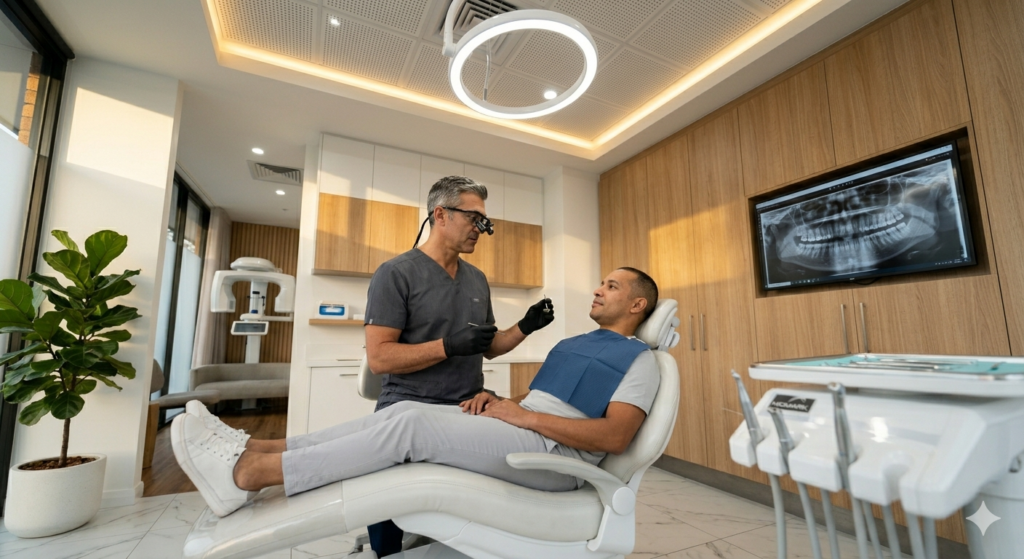
You’ll want a clear list of questions before your general dentistry consultation in Bradenton, FL so you leave confident about your care and costs. Ask about diagnosis, treatment options, pain management, and estimated costs up front to make the appointment productive and stress-free.
They’ll explain what to expect during the first visit, how they personalize treatment to your goals, and which preventive steps fit your lifestyle. Use the article to prepare practical questions about insurance, payment options, follow-up care, and long-term wellness so you can choose the right local practice with confidence.
What To Expect During Your First Dental Consultation
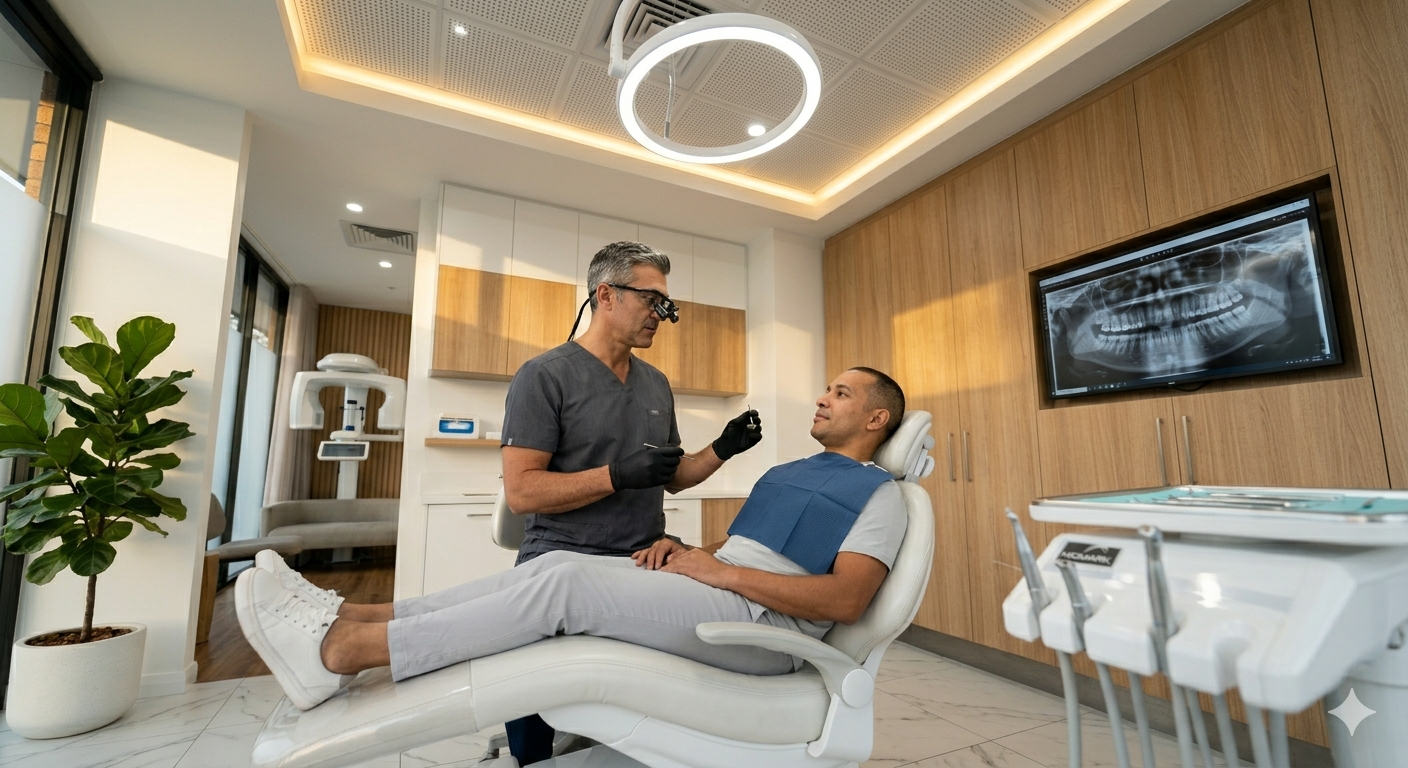
Patients will receive a clear health review, a focused oral exam, and a chance to discuss specific concerns and goals. The visit typically lasts 30–60 minutes and aims to create a comfortable plan tailored to the patient’s needs.
Initial Assessment and Health History
The dental team collects medical information, including current medications, allergies, past surgeries, and chronic conditions such as diabetes or heart disease. They will ask about dental history: previous restorations, extractions, orthodontic work, and any history of gum disease.
Patients should bring a list of medications and insurance information, and note any anxiety triggers or pain locations beforehand. The staff records lifestyle factors—tobacco use, diet, and oral hygiene habits—that affect treatment choices. This step ensures safe care and helps prioritize immediate needs versus long-term prevention.
Oral Examination Procedures
The dentist performs a visual and tactile exam of teeth, gums, jaw joints, tongue, and soft tissues. They check for cavities, worn or cracked teeth, gum inflammation, pocket depths, and signs of oral cancer.
Digital X-rays or intraoral scans may be taken to reveal hidden decay, bone levels, and root conditions. A periodontal chart or photos might be used to document findings. The clinician explains each finding in plain language and shows images when possible to help the patient understand treatment options.
Discussing Dental Concerns
The dentist reviews findings and matches them to the patient’s goals—pain relief, cosmetic changes, or preventive care. They outline treatment options with estimated timeframes, costs, and the urgency of each procedure.
They also address comfort measures: local anesthesia options, sedation choices, and pain control plans. Patients are encouraged to ask questions about recovery, alternatives, and maintenance. The visit usually ends with a clear next step: scheduling treatment, obtaining specialist referrals, or setting a preventive care plan.
Essential Questions To Ask Your General Dentist
Patients should leave the appointment with a clear diagnosis, a realistic plan, and actionable prevention steps. Asking targeted questions about findings, preventive options, and timelines helps set expectations and reduces anxiety.
Clarifying Diagnosis and Treatment Needs
Ask the dentist to explain the specific diagnosis using plain language — for example, “moderate chronic periodontitis affecting the lower molars” rather than vague terms. Request to see X-rays or intraoral photos and have the dentist point out what each image shows, including bone levels, decay depths, or restored margins.
Confirm whether the condition is urgent, routine, or monitor-only, and ask what will happen if treatment is delayed. Patients should ask about alternative treatments, expected outcomes for each, and the dentist’s recommended option with reasons linked to longevity, cost, and tissue preservation.
Clarify who will perform the procedure (general dentist, hygienist, or specialist) and whether referrals are recommended. Ask about possible risks and common complications, and request written estimates for procedures and any preoperative steps like antibiotics or antiseptic rinses.
Inquiries About Preventive Care Options
Ask which preventive measures apply specifically to the patient’s situation, such as fluoride varnish, prescription-strength toothpaste, or targeted sealants for deep grooves. Request a personalized oral hygiene plan: recommended toothbrush type, flossing method, interdental brushes size, and frequency for professional cleanings.
Discuss diet-related advice tied to oral health, including specific foods to avoid and timing of snacks that most affect enamel and caries risk. Ask about behavior-based interventions like smoking cessation or alcohol reduction if relevant.
Confirm whether the practice offers adjunctive tools such as home whitening kits, desensitizing gels, or night guards for bruxism, and ask how these integrate with preventive visits. Request measurable goals — for example, reduce pocket depths by X mm or eliminate bleeding on probing — and a timeline to reassess progress.
Understanding Treatment Timelines
Request a step-by-step timeline for proposed care, including scheduling windows for major phases like preparatory hygiene, restorative appointments, and follow-up exams. Ask how many visits each procedure typically requires and whether several treatments can be combined in one appointment to reduce total visits.
Discuss expected healing times and when normal activities (eating hard foods, sports, oral hygiene routines) can resume. Ask about contingency plans: what happens if healing is slower than expected, or if additional work is needed after the initial treatment.
Confirm administrative timelines too, such as prior authorization for insurance, estimated wait times for specialist referrals, and expected dates for receiving lab-made restorations like crowns or dentures.
Bradenton FL: Finding The Right Dental Practice
Patients should prioritize practices that combine compassionate chairside care with up-to-date equipment, clear pricing, and flexible scheduling. Location, office hours, and staff friendliness shape the day-to-day experience just as much as clinical skill.
Evaluating Patient Comfort and Care Approaches
Look for practices that explicitly describe their comfort measures: options for nitrous oxide, oral sedation, blankets, noise-cancelling headphones, and treatment pacing. Practices that offer a pre-treatment phone consult or online intake forms help anxious patients prepare and reduce in-office time.
Check whether staff ask about dental fear, medical history, and pain thresholds at every visit. A dental team that uses plain-language explanations, shows before-and-after photos, and offers written treatment plans demonstrates respect for patient autonomy.
Confirm follow-up protocols: same-day emergency slots, post-procedure check calls, and clear contact methods. Patient reviews that mention gentle care, punctual appointments, and helpful front-desk staff provide practical insight into everyday comfort.
Exploring Technology and Modern Services
Prioritize practices that list specific technologies: digital X-rays (panoramic and intraoral), 3D cone-beam CT for implant planning, intraoral scanners for crowns, and chairside CAD/CAM milling for same-day restorations. These tools reduce radiation, improve fit, and shorten treatment timelines.
Verify services relevant to Bradenton patients: restorative dentistry (composite fillings, crowns), implant placement and restoration, clear-aligner orthodontics, and periodontal therapy with laser options. Availability of same-day crowns or implant consultations on-site speeds treatment decisions.
Ask about infection control and sterilization procedures, electronic health records, and online bill pay or financing. Practices that publish clinical credentials, continuing-education participation, and specialist partnerships (periodontist, endodontist, oral surgeon) show a commitment to comprehensive, modern care.
Discussing Personalized Oral Health Goals
Patients leave with clear, achievable targets that reflect their oral health needs and daily routines. The discussion centers on practical steps they can take at home and habits to modify for long-term improvement.
Creating A Home Hygiene Routine
Dentists assess current brushing and flossing habits, then recommend a tailored plan. They specify brush type (soft-bristled or electric), brushing technique (45-degree angle, two minutes), and flossing method (string floss, interdental brushes, or water flosser) based on the patient’s tooth alignment and gum condition.
They set a realistic schedule: brushing twice daily and interdental cleaning once daily, with timing tips such as brushing after breakfast and before bed. For patients prone to plaque, clinicians might add a fluoride rinse or prescribe a high-fluoride toothpaste to use nightly.
Practitioners also demonstrate technique in-office and provide written or video instructions for home use. They arrange follow-up checks to monitor improvement and adjust tools or frequency if the patient reports sensitivity or difficulty.
Identifying Lifestyle Factors Affecting Oral Health
Clinicians review diet, tobacco and alcohol use, grinding or clenching (bruxism), and medication side effects. They ask specific questions about daily sugar consumption, frequency of acidic drinks, and whether the patient smokes, vapes, or uses chewing tobacco.
They explain how each factor contributes to cavities, erosion, gum disease, or dry mouth, and they offer concrete changes: reduce sugary snacks to once daily, swap soda for water, or cut tobacco use with referral resources. For bruxism, they may recommend a custom nightguard and discuss stress-reduction techniques.
Finally, dentists document these lifestyle risks in the treatment plan and set measurable goals, such as reducing alcohol to X drinks per week or replacing two sugary snacks with fruit. They schedule targeted follow-ups to track progress and adjust recommendations.
Understanding Insurance, Costs, And Payment Options
Patients often worry about what their insurance will cover for routine exams, X‑rays, fillings, and other services. The dental office staff can verify benefits before the visit, explain covered services, and estimate out‑of‑pocket costs so there are no surprises.
Many practices accept major insurances and offer in‑network and out‑of‑network options. For services not covered, clinics usually provide a written estimate and payment timelines to help patients plan.
Common payment options include cash, credit cards, checks, and digital payments. Dental offices may also offer in‑house financing, third‑party payment plans, or short‑term medical credit to spread costs for larger treatments.
Suggested checklist to bring to a consultation:
- Insurance card and photo ID
- List of current medications
- Recent dental records if available
Patients should ask three key questions: Which services are covered? What will my estimated co‑pay be? Are there affordable financing or discount plans? Clear answers help patients decide on treatment timing and options.
Many practices provide a written treatment plan with costs and payment options. This helps patients compare alternatives and make informed choices that fit their budget and oral health goals.
They are encouraged to call the office ahead of time to discuss insurance details or request a pre-visit estimate. A brief phone conversation can reduce stress and make the consultation smoother.
Follow-Up Visits And Long-Term Dental Wellness
Follow-up visits help the dentist monitor healing and the effectiveness of treatments. They also let the care team adjust plans if a patient reports sensitivity or discomfort.
Routine recall appointments usually occur every six months, but frequency can change based on individual risk factors. Patients with gum disease, dry mouth, or a history of cavities may need more frequent cleanings and checkups.
During follow-ups the dentist checks restorations, gum health, and bite alignment. X-rays or intraoral photos may be used to track changes that aren’t visible to the naked eye.
A simple checklist keeps follow-ups focused and efficient:
- Update medical history and medications
- Review home care routine and technique
- Assess restorations and periodontal measurements
- Schedule any needed preventive or restorative care
Long-term wellness emphasizes prevention as much as treatment. Fluoride treatments, sealants, and personalized hygiene instruction reduce future problems and save money over time.
Patient comfort and communication remain central at every visit. If a patient feels anxious or has specific concerns, the team discusses options like topical anesthetics, sedation, or phased treatment plans.
Encourage scheduling the next appointment before leaving the office. Patients who ask questions and follow the care plan tend to maintain healthier smiles and avoid more complex procedures later on.
Next Steps For Achieving A Healthy Smile
After the consultation, the dental team outlines a personalized plan that matches the patient’s needs and goals. It may include preventive care, restorative treatments, or cosmetic options depending on the findings.
They prioritize comfort and clear explanations during each step. Appointments get scheduled with time for questions, and staff reviews insurance and financing to reduce surprises.
Patients receive a simple at-home care checklist: brush twice daily, floss once, use fluoride toothpaste, and schedule regular cleanings every six months. Small daily habits prevent many common issues and support professional care.
If treatment is recommended, the office explains options, timelines, and expected outcomes. They use modern techniques—digital X-rays, minimally invasive fillings, and sedation choices—to make procedures predictable and less stressful.
A short table helps patients compare common next steps:
| Action | Purpose | Typical timeline |
|---|---|---|
| Professional cleaning | Remove plaque/tartar, assess oral health | Every 3–6 months |
| Fillings/crowns | Repair decay or restore teeth | 1–3 visits |
| Periodontal therapy | Treat gum disease | Several visits over weeks |
| Whitening or veneers | Improve appearance | 1–4 visits |
They encourage patients to ask about discomfort management, recovery expectations, and maintenance. Patients who feel informed tend to follow care plans more consistently.
For questions or to book follow-up care, the practice invites patients to call or use online scheduling. A gentle prompt helps move from consultation to action and keeps smiles on track.
Frequently Asked Questions
This section answers practical questions about preparing for a first visit, typical costs and services, comfort options for anxious patients, how to choose a dentist in Bradenton, the difference between cleaning and comprehensive exams, and steps to return to regular preventive care.
What should I bring to my first dental appointment, and what will the dentist look for during the exam?
Bring a photo ID, insurance card (if any), and a list of current medications and medical conditions. If available, bring previous dental records or X-rays to avoid duplicate imaging.
The dentist will check teeth for decay, existing restorations, and wear. They will examine gums for signs of gum disease, assess bite and jaw function, and screen for oral cancer or other soft-tissue issues.
A new-patient visit often includes periodontal probing, charting your teeth, and a discussion of dental history and cosmetic or comfort concerns. The clinician will explain recommended next steps and estimate costs before starting treatment.
How much does a first-time dental consultation typically cost, and what’s usually included in that visit?
A basic new-patient exam in Bradenton commonly ranges from $50 to $150 without insurance. The price depends on the clinic, whether digital X-rays are taken, and if a cleaning is included.
Typical inclusions are a comprehensive oral exam, periodontal evaluation, and any necessary X-rays. If the patient needs a cleaning, that may be billed separately or offered as a bundled new-patient special.
Patients with dental insurance should call their plan to confirm coverage for exams, X-rays, and cleanings to estimate out-of-pocket costs. Many practices also provide treatment estimates and payment plan options at the visit.
If I’m feeling anxious about the dentist, what comfort options are available to help me relax during my visit?
Many Bradenton practices offer nitrous oxide (laughing gas) for mild-to-moderate anxiety and short procedures. For deeper anxiety, they may provide oral sedatives prescribed before the appointment.
Some offices use IV sedation administered by a trained clinician for lengthy or complex procedures. Comfort measures also include blankets, headphones, noise-canceling options, and a calm office environment to reduce stress.
Patients should describe their anxiety when booking so the office can plan accommodations and explain safety protocols. A clear pre-visit plan helps the patient feel more in control.
How do I choose a dentist that’s a good fit for my needs, budget, and schedule in my area?
Start by listing priorities: hours, location, insurance acceptance, and services offered (cosmetic, implant, sedation). Read patient reviews for real-world experiences with appointment availability and bedside manner.
Verify credentials, continuing education, and whether the office uses modern diagnostics like digital X-rays or intraoral cameras. Call to ask about payment plans, membership programs, and emergency availability to match budget and schedule needs.
Schedule a brief consultation or meet-and-greet to evaluate communication style and office culture before committing to major treatment. That visit often clarifies whether the practice feels comfortable and trustworthy.
What’s the difference between a routine cleaning visit and a comprehensive exam with X-rays, and which one do I need?
A routine cleaning (prophylaxis) focuses on removing plaque and tartar above the gumline and polishing teeth. It’s usually done every six months for patients with healthy gums.
A comprehensive exam includes a full-mouth evaluation, periodontal charting, and diagnostic X-rays to detect hidden decay, bone loss, or other issues. It’s recommended for new patients, patients with symptoms, or those who haven’t had X-rays in 1–3 years.
If the patient has healthy maintenance history and recent X-rays, a cleaning visit may suffice. If it’s a first visit, there are symptoms, or it’s been more than a year since X-rays, choose a comprehensive exam.
If I haven’t been to the dentist in a while, what’s the best next step to get back on track with preventive care?
Call a local Bradenton practice and book a new-patient comprehensive exam with X-rays to establish a baseline. Mention any pain, bleeding gums, or sensitivity so the office can prioritize those issues.
Follow the dentist’s recommended treatment plan, which typically begins with periodontal therapy if gum disease is present or fillings for active decay. Ask about a personalized home-care routine and schedule follow-up cleanings every three to six months as advised.
They should offer a clear timeline, cost estimate, and options for phased treatment or financing to make returning to care manageable.