
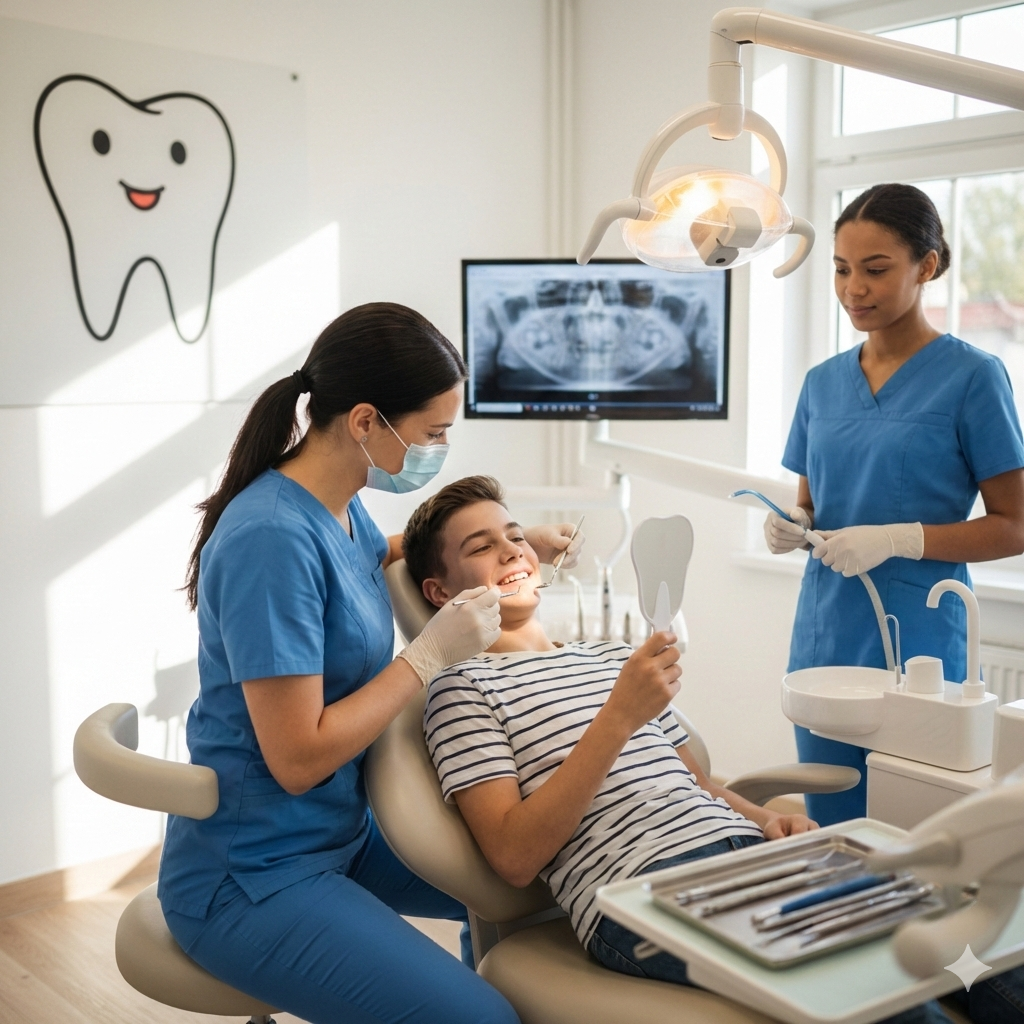
When a dental emergency strikes in Lakewood, knowing where to turn can make all the difference. Whether it’s a sudden toothache, a broken crown, or accidental trauma, prompt care is essential to prevent complications and ease pain. Emergency dental services in Lakewood provide quick, expert treatment to address urgent dental problems when regular offices are closed or immediate help is needed.
These services focus on patient comfort and can handle everything from severe tooth pain to knocked-out teeth, often using modern techniques to stabilize and relieve symptoms efficiently. Dentists in the area aim to provide not just emergency fixes but also guidance on follow-up care to support long-term oral health.
If someone experiences a dental emergency, reaching out to a trusted Lakewood emergency dentist ensures timely attention and reduces stress during an already difficult moment. They encourage anyone facing sudden dental issues to seek professional advice without delay.
What Are Emergency Dental Services?
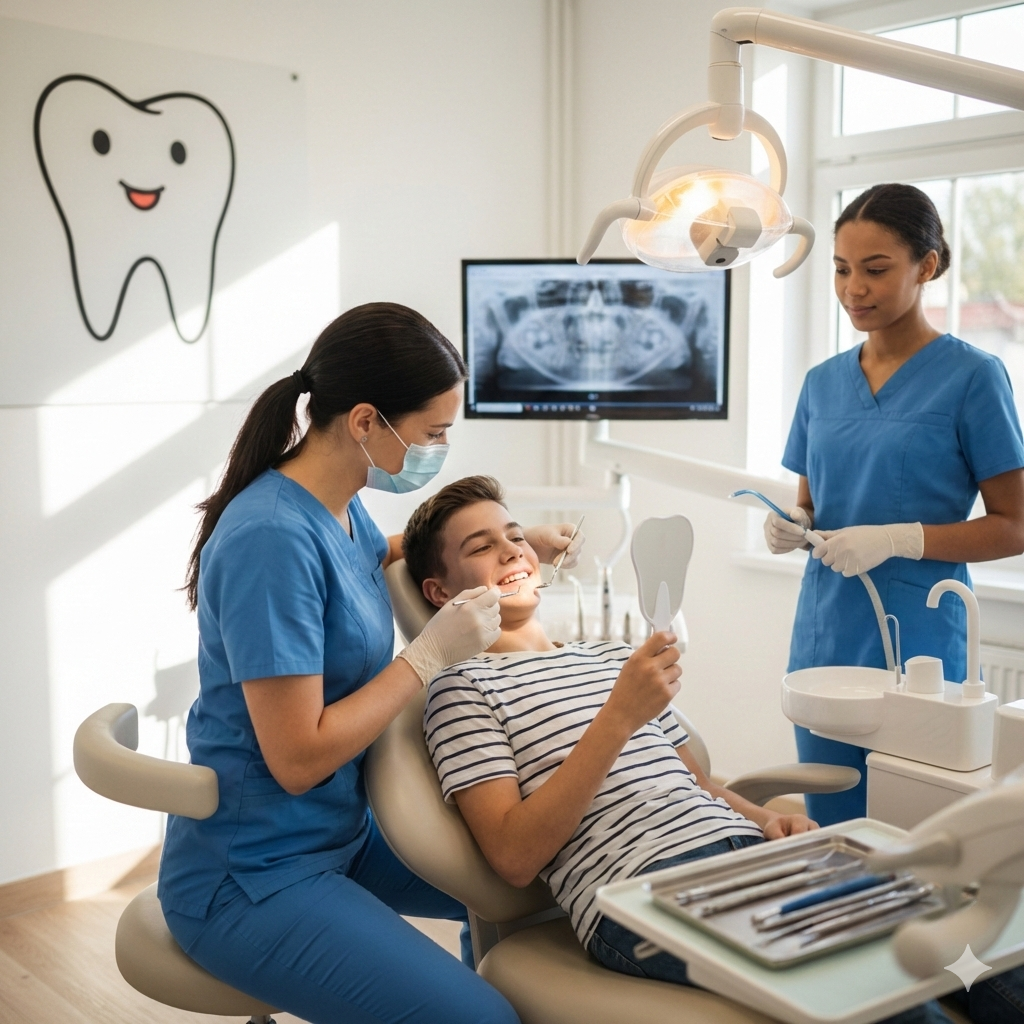
Emergency dental services address sudden and severe tooth or mouth problems that need immediate care. These services prioritize pain relief, infection control, and restoring function quickly to prevent further damage.
Types of Dental Emergencies
Dental emergencies range from traumatic injuries to sudden infections. Common examples include knocked-out teeth, cracked or broken teeth, severe toothaches, lost dental fillings or crowns, and abscesses. Injuries like a tooth knocked out require urgent treatment to save the tooth. Severe swelling or throbbing pain may signal an infection that risks spreading if untreated.
Some emergencies, like a loose or broken tooth, might seem less urgent but still need prompt attention to stabilize and avoid complications. Emergency dentists are trained to handle both traumatic injuries and acute infections to minimize pain and restore oral health.
Recognizing Urgent Dental Problems
Urgent dental problems often involve intense pain, bleeding, or difficulty eating or speaking. If bleeding does not stop after 10–15 minutes of applying gentle pressure, it requires immediate care. Severe pain that disrupts sleep or medication does not relieve it signals an infection or injury needing quick attention.
Signs like swelling around the tooth or jaw, fever, or spreading redness suggest an infection that could worsen quickly. A tooth visibly pushed out of place or missing means professional help is critical within hours. Even if symptoms seem mild, prompt professional evaluation can prevent the situation from worsening.
How Emergency Dental Care Differs From Routine Visits
Emergency dental care focuses on fast diagnosis and pain control, unlike routine visits centered on prevention and maintenance. The goal is to stop ongoing damage, manage infection, and stabilize the injury. Emergency dentists prioritize treatment that relieves discomfort immediately, such as draining infections, patching fractured teeth, or repositioning displaced teeth.
Equipment and materials used in emergencies may differ, with options for sedation or quick pain relief. Scheduling is flexible, often outside regular office hours, to address issues without delay. Unlike routine visits, follow-up care is usually planned after the initial emergency treatment to complete restorations or ongoing therapy.
Common Dental Emergencies in Lakewood
Dental emergencies vary in severity, but certain cases demand immediate attention to prevent lasting damage. Timely action and knowing what to do can significantly improve the outcome.
Toothaches and Severe Pain
Toothaches often signal an underlying issue like infection, decay, or gum disease. The pain can range from mild discomfort to intense, throbbing agony that disrupts daily life.
It’s crucial to identify the source—whether it’s a cavity, abscess, or exposed nerve. Applying a cold compress can reduce swelling while avoiding very hot or cold foods helps minimize sensitivity. Over-the-counter painkillers may ease discomfort temporarily.
In Lakewood, emergency dentists will examine the tooth, perform X-rays if needed, and treat infections with antibiotics or root canal therapies. Ignoring severe tooth pain risks spreading infection and permanent damage.
Broken or Chipped Teeth
Accidents happen, and teeth can crack or chip during falls, sports, or biting hard objects. A broken tooth can cause sharp edges that irritate the tongue and cheeks.
If the break exposes the nerve, it causes pain and increases infection risk. Quick rinsing with warm water and placing a piece of sugarless gum or dental wax over sharp areas can provide relief.
Emergency dental services in Lakewood prioritize restoring function and appearance using bonding, crowns, or veneers. Early treatment prevents further cracks or sensitivity and keeps the tooth intact longer.
Knocked-Out Teeth
A tooth knocked out completely is a true dental emergency. Time is critical to save the tooth and reinsert it successfully.
If possible, hold the tooth by the crown (top), rinse off dirt gently with water, and place it back in the socket immediately. If reinsertion isn’t possible, keep the tooth moist in milk or a tooth preservation kit.
Lakewood emergency dentists will stabilize the tooth and assess for damage to surrounding tissues. Prompt care increases the chances of saving the natural tooth and avoiding implants or bridges later.
When to Seek Emergency Dental Care
Knowing when to get emergency dental care can prevent worsening pain or complications. Some symptoms require quick professional help, while others can wait for a regular visit. Simple home care can also provide relief before seeing a dentist.
Signs You Need Immediate Attention
Severe tooth pain that won’t go away is a clear sign to seek emergency care. This pain often indicates infection, a cracked tooth, or nerve damage.
Uncontrolled bleeding after a dental injury or extraction is another urgent issue. Difficulty breathing or swallowing caused by dental swelling also requires immediate attention. A knocked-out tooth should be handled quickly to improve the chance of saving it.
If there is a visible abscess (pus-filled swelling), fever, or facial swelling, these are red flags for infection needing prompt treatment.
Issues That Can Wait for a Regular Appointment
Mild toothache or occasional sensitivity to hot or cold usually doesn’t need an emergency visit. Slightly loose fillings or minor chips can be scheduled for a normal dental appointment.
Discomfort that improves with over-the-counter pain relievers or minor swelling that reduces in a day or two can often wait. Cosmetic concerns, like discoloration or small cracks not causing pain, don’t require immediate care.
If unsure whether the issue needs urgent attention, a phone call to the dental office can help clarify next steps.
Temporary At-Home Care Tips
For pain relief, rinsing the mouth gently with warm saltwater can reduce inflammation. Applying a cold compress to the affected cheek can help control swelling.
Over-the-counter pain medication like ibuprofen reduces discomfort and inflammation but should be taken as directed. Avoid hard or sticky foods that could worsen damage.
If a tooth is knocked out, rinse it carefully with water (don’t scrub) and try to place it back in the socket or keep it in milk until reaching the dentist. Avoid touching the root.
These small steps can manage symptoms temporarily and protect dental health until professional care is available.
Our Approach to Patient Comfort During Emergencies
When dental emergencies happen, managing pain, reducing stress, and offering personal care are top priorities. The clinic focuses on quick relief and making patients feel supported every step of the way.
Pain Management Solutions
Pain relief is the first goal when someone arrives with a dental emergency. The team uses effective local anesthetics to numb the affected area quickly. If pain is severe, they may offer short-term medications to keep discomfort under control.
They also use gentle techniques during treatment to avoid unnecessary pain or soreness afterward. For sustained relief, aftercare instructions include easy-to-follow tips like cold compresses and over-the-counter painkillers. This practical approach helps patients feel better immediately and supports healing.
Stress-Free Environment
Emergency visits can be stressful, so the clinic creates a calm and welcoming atmosphere. Waiting areas have soft lighting and comfortable seating to ease anxiety. Staff members speak in a friendly, reassuring tone to help patients stay relaxed.
They prioritize minimizing wait times to reduce patient stress. Clear communication about what to expect during treatment helps patients feel more in control. This approach makes a tense situation much easier to handle.
Supportive Staff and Personalized Care
The dental team treats each patient as an individual with unique needs. They listen carefully to concerns and answer questions with patience. This personalized attention helps build trust quickly.
Staff members are trained to provide emotional support, recognizing that emergencies can be frightening. They work to explain procedures simply and make sure patients feel comfortable asking for breaks or extra help. The goal is always to treat people with kindness and respect while addressing dental issues efficiently.
Modern Treatment Options for Emergency Dental Care
Emergency dental care in Lakewood combines cutting-edge technology and expert procedures to ease pain and restore function quickly. From immediate diagnostics to tailored restorations, modern treatments focus on comfort, speed, and long-lasting results.
State-of-the-Art Dental Technology
Dentists now use digital X-rays and 3D imaging to diagnose dental emergencies with precision. These tools help identify fractures, infections, or abscesses quickly, cutting down waiting times and reducing discomfort.
Laser dentistry is another innovation improving emergency care. It allows for less invasive treatment of soft tissue injuries, controlling bleeding and speeding healing. In many cases, lasers reduce the need for anesthesia.
Intraoral cameras give dentists a clear, close-up view of the problem area, helping explain injuries and treatments to patients. This transparency boosts comfort and trust during urgent visits.
Restorative Procedures Available
For broken or knocked-out teeth, dentists offer multiple options depending on severity. Dental bonding can repair small chips in minutes using a tooth-colored resin. It looks natural and restores basic function immediately.
More complex damage may need a dental crown, which covers and protects the injured tooth. Crowns are custom-made but can be placed promptly with modern same-day milling technology in some offices.
In cases where a tooth cannot be saved, tooth extraction is performed carefully to preserve tissue for future implants or bridges. Follow-up with a temporary prosthetic helps maintain appearance and chewing ability until final restoration.
Follow-Up and Aftercare
After emergency treatment, follow-up visits focus on monitoring healing and preventing complications. Dentists provide detailed instructions on pain management, oral hygiene, and diet adjustments.
Signs of infection or delayed healing require prompt re-evaluation. Patients are often advised to avoid hard foods and maintain gentle brushing around treated areas.
Many offices offer 24/7 contact lines for post-treatment concerns, ensuring peace of mind as recovery progresses. Ongoing care may include scheduling routine cleanings and checkups to prevent future emergencies.
If you experience dental pain or injury, contacting a local emergency dental provider in Lakewood can provide the care needed to protect your smile and wellbeing.
Preventing Dental Emergencies in Lakewood
Avoiding dental emergencies often starts with simple daily choices and mindful habits. Taking good care of teeth at home, using the right protective equipment during activities, and keeping regular dental appointments can make a big difference.
Oral Hygiene Best Practices
Maintaining strong oral hygiene reduces the risk of sudden problems like infections or tooth decay. Brushing twice a day with fluoride toothpaste helps remove plaque and prevent cavities.
Flossing daily is equally important—it cleans areas a toothbrush can’t reach, reducing gum irritation and decay. Using an antiseptic mouthwash can also help control bacteria in the mouth.
It’s best to avoid chewing hard items like ice or popcorn kernels, which can cause cracks or chips. Drinking water after meals helps rinse away food particles, supporting cleaner teeth between brushings.
Protective Gear for Sports
Protecting teeth during physical activities is crucial to avoid injuries. Athletes in Lakewood should wear custom-fitted mouthguards when playing contact sports like football, hockey, or basketball.
Mouthguards cushion blows to the face and jaws, reducing the chance of broken or knocked-out teeth. Helmets with face shields add extra protection in high-impact sports.
Parents should ensure children use protective gear consistently, especially during school sports or neighborhood games. Replacing worn or ill-fitting mouthguards enhances safety and comfort.
Routine Dentist Visits
Regular check-ups in Lakewood help catch small issues before they become emergencies. Dentists perform exams, clean teeth, and take X-rays to spot hidden problems early.
Scheduling visits every six months is standard, but those with specific conditions may need more frequent appointments. During visits, dentists can also offer personalized advice on preventing future dental injuries.
Professional cleanings remove tartar buildup that brushing and flossing alone can’t fix. This keeps gums healthy and lowers the risk of painful abscesses or infections.
Choosing a Trusted Emergency Dentist in Lakewood
Finding the right emergency dentist involves knowing what qualities make a good provider and understanding the importance of their experience in the local area. This helps ensure quick, effective care when unexpected dental problems occur.
Qualities to Look For
An emergency dentist should be responsive and easy to reach, especially outside normal office hours. Look for clinics that offer same-day appointments or 24/7 availability. Clear communication is key—dentists who explain procedures calmly and answer questions help reduce stress.
It’s important they have modern equipment and stay updated on the latest pain management techniques. A caring attitude and gentle approach to treatment make a big difference, especially when patients are in pain. Positive patient reviews and professional credentials also signal trustworthiness.
Why Local Experience Matters
A dentist familiar with the Lakewood community understands the specific needs and common dental concerns in the area. They often have established relationships with nearby specialists and labs, which speeds up urgent treatments.
Local knowledge also means the dentist knows where to quickly refer patients if advanced care is needed. Being part of the community fosters a commitment to patient comfort and helps the dentist respond promptly to emergencies. This experience reduces wait times and ensures personalized attention.
Getting Started With Emergency Dental Services
When someone faces a dental emergency in Lakewood, quick action can make a big difference. Knowing what happens during the visit and what to do afterward helps reduce stress and supports faster recovery.
What to Expect at Your Visit
The moment a patient arrives for emergency dental care, the staff quickly assesses the situation. Priorities include pain relief, controlling bleeding, and stabilizing any injury. Often, an X-ray or examination identifies the exact problem, whether it’s a broken tooth, severe cavity, or infection.
Treatment depends on the issue’s urgency. Some patients might receive a temporary fix to ease pain, while others could get immediate repair or extraction. Throughout the visit, dental professionals explain the steps clearly, ensuring comfort and understanding.
Next Steps for Long-Term Oral Health
After emergency treatment, follow-up care is essential. The dentist usually schedules a check-up to monitor healing and may recommend restorative work like crowns, root canals, or implants.
Patients are encouraged to maintain good oral hygiene and avoid risky habits that could cause future emergencies. Regular dental visits and a balanced diet help protect teeth long-term. If there are concerns or lingering symptoms, contacting the dental office promptly ensures timely care.
Frequently Asked Questions
Emergency dental care often involves quick pain relief and timely treatment to prevent further damage. Understanding when to seek help and what services are available can make a big difference in managing dental emergencies effectively.
What should I do if I have a toothache and need immediate relief?
If a toothache strikes, rinsing with warm water helps clean the area. Over-the-counter pain relievers can reduce discomfort, but avoiding extremely hot or cold foods is best. Scheduling an emergency dental visit quickly is important to identify and treat the cause.
Can a broken tooth be fixed during an emergency dental visit?
Yes, many broken teeth can be repaired during an emergency appointment. Dentists may use bonding materials or temporary crowns to protect the tooth until a permanent solution is ready. Prompt treatment reduces the risk of infection and further damage.
How can I tell if my dental problem is urgent enough to require emergency services?
Severe pain, bleeding, swelling, or a knocked-out tooth usually need immediate attention. Mild discomfort can sometimes wait for a regular appointment. If swelling affects breathing or swallowing, emergency care should be sought immediately.
Are there any emergency dental procedures available for severe tooth infections?
Yes, dentists can perform procedures like drainage of abscesses or prescribe antibiotics to control infections. Early treatment prevents infection from spreading and reduces pain. Follow-up care is essential to ensure full recovery.
What are my options if I’m experiencing severe pain from a wisdom tooth?
Emergency dentists often assess whether the wisdom tooth needs extraction or temporary pain management. They may provide antibiotics if there is an infection or recommend pain relief methods until extraction can be scheduled. Quick care helps avoid complications.
How quickly can I get an appointment for an unexpected dental issue?
Many emergency dental offices offer same-day or next-day appointments for urgent cases. Calling the clinic early improves chances of prompt scheduling. Some practices have after-hours options for immediate support outside regular office hours.