
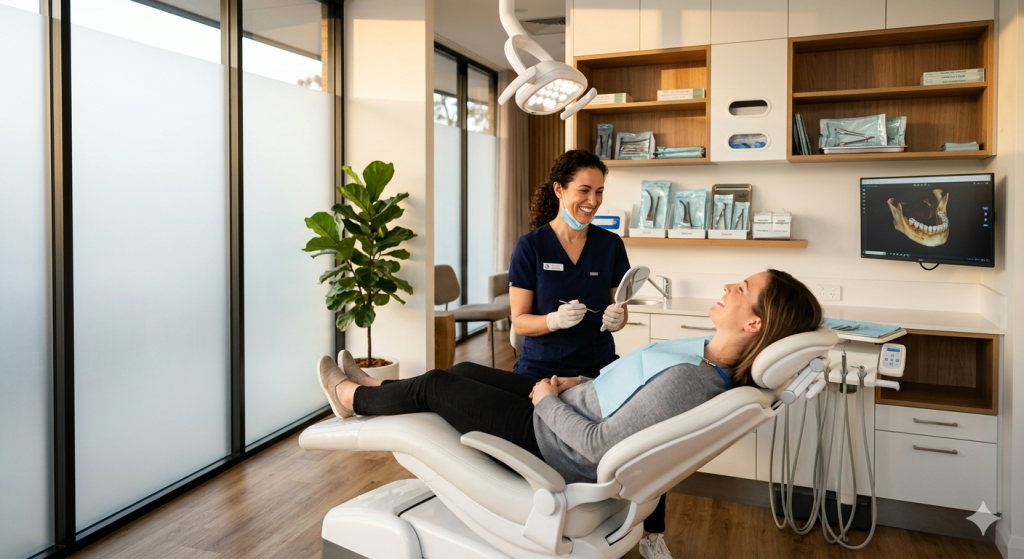
Dental emergencies can happen unexpectedly, from sudden tooth pain to a knocked-out tooth, and knowing where to turn in Bradenton, FL, is crucial. Emergency dental care in Bradenton provides quick access to professional help that can relieve pain and protect your smile when every minute counts.
Whether it’s a severe toothache or a cracked tooth from an accident, local emergency dentists offer compassionate care using modern techniques to handle urgent issues efficiently. They focus on comfort and clear communication to make the experience as smooth and stress-free as possible.
If you or someone you know faces a dental emergency, understanding the options available in Bradenton can help reduce anxiety and improve outcomes. It’s always wise to have a trusted emergency dental care plan before a situation arises.
Recognizing Dental Emergencies
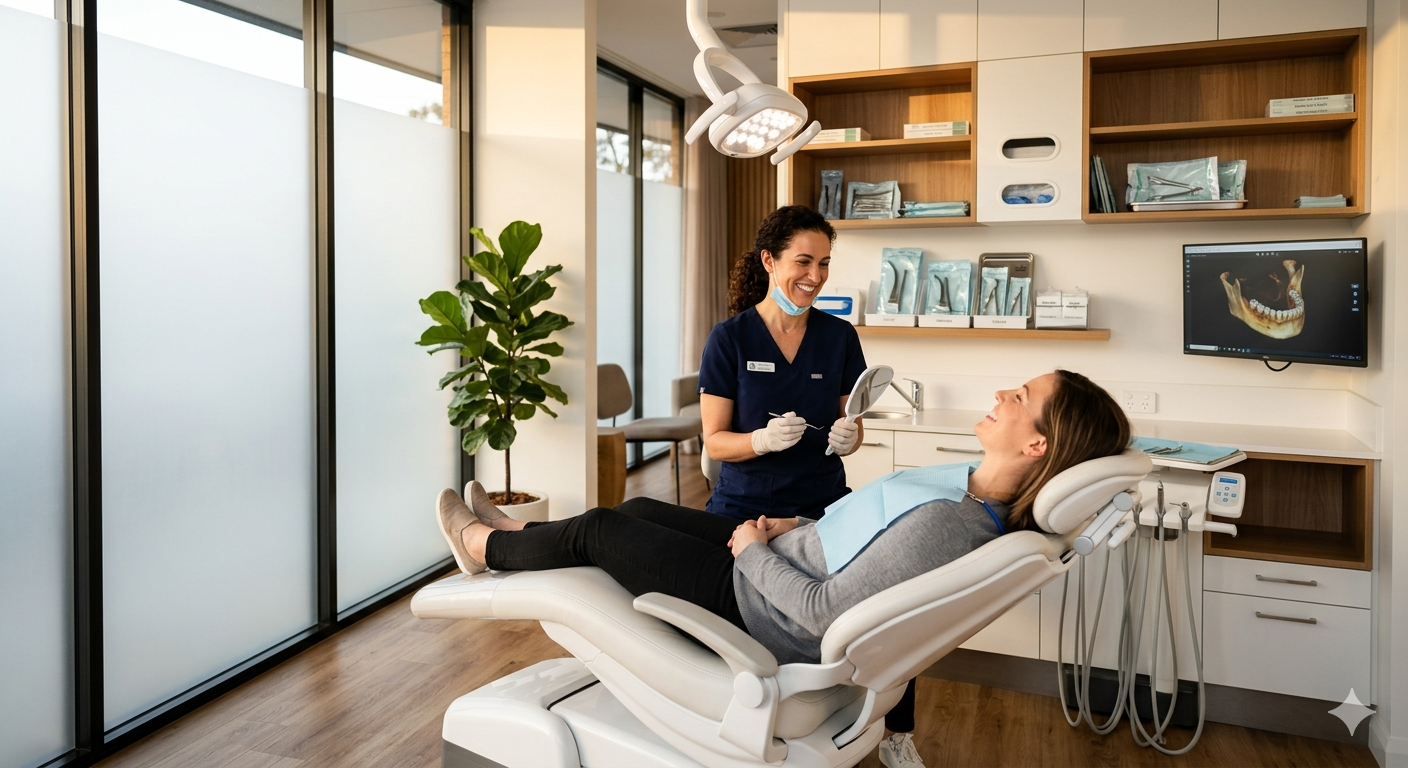
Dental emergencies can happen without warning and often require immediate attention to prevent worsening pain or damage. Knowing how to recognize urgent signs, identify specific types of emergencies, and assess their severity helps patients act quickly and confidently.
Common Signs You Need Urgent Dental Attention
A severe toothache that lasts more than a day or worsens with time is a key sign of an emergency. Swelling around the mouth, face, or jaw can indicate an infection needing prompt care.
Other red flags include bleeding that won’t stop, loose or knocked-out teeth, and persistent bad taste or odor in the mouth. Sudden trauma causing broken teeth or injury to gums or tongue also requires emergency evaluation.
If pain is accompanied by fever or difficulty swallowing or breathing, it’s critical to seek dental help immediately.
Types of Dental Issues That Require Emergency Care
Some common emergencies include:
- Tooth fractures or breaks: These can expose nerves, causing intense pain and sensitivity.
- Knocked-out teeth: Immediate action can save the tooth if treated within an hour.
- Abscesses or infections: Pus buildup leads to swelling and pain, risking the spread of infection.
- Lost fillings or crowns: These leave teeth vulnerable to further damage and discomfort.
Soft tissue injuries like cuts or bites inside the mouth also require care to prevent infection and promote healing.
How to Assess the Severity of Your Dental Problem
Assessing severity starts with pain level—is it sharp or dull? Does it worsen when biting or with temperature changes? Intense, persistent pain usually signals a serious problem.
Look for visible damage like loose, missing, or cracked teeth. Swelling and pus suggest infection that shouldn’t wait. Minor chipping or loose fillings might be less urgent but still need prompt attention.
When in doubt, calling a Bradenton emergency dentist can provide guidance and prevent complications. Early assessment improves treatment options and comfort.
Immediate Steps to Take During a Dental Emergency
Acting quickly and correctly can make a big difference when facing a dental emergency. Knowing how to manage pain, protect damaged teeth, and handle severe injuries properly helps reduce complications before seeing a dentist.
Calming Yourself and Managing Pain at Home
Staying calm is crucial. Stress and panic can increase pain perception and make decision-making harder. Encourage the person to take slow, deep breaths to relax.
For pain relief, over-the-counter medications like ibuprofen or acetaminophen can help. Avoid aspirin because it can thin the blood and increase bleeding. Applying a cold compress on the outside of the cheek near the injured area reduces swelling and numbs pain. Use the compress in 15-minute intervals.
Avoid placing aspirin directly on the gums or the painful area, as this may cause burns. If bleeding occurs, gently bite on a clean gauze pad or cloth for 10-15 minutes to control it.
Protecting a Broken Tooth or Lost Filling
If a tooth breaks or a filling falls out, rinse the mouth gently with warm water to clean the area. Save any lost pieces of tooth or filling in a clean container. This can sometimes help the dentist repair the tooth.
Avoid chewing on the injured side to prevent further damage. Use dental wax or sugarless gum to cover sharp edges that irritate the tongue or cheek. Over-the-counter pain relief and cold compresses can ease discomfort until dental care is available.
Avoid trying to smooth or remove sharp fragments with fingers or tools, as this can worsen the injury. Seek dental care promptly to restore function and prevent infection.
Handling Avulsed or Knocked-Out Teeth
A knocked-out tooth needs urgent care to increase the chance of saving it. First, find the tooth and pick it up by the crown, not the root, to avoid damaging cells needed for reattachment.
If dirty, rinse the tooth gently with milk or saline solution. Do not scrub or use soap. Try to place the tooth back in its socket immediately if possible, holding it in place by biting down gently on a clean cloth or gauze.
If reinsertion isn’t possible, store the tooth in a container with milk, saline, or inside the cheek to keep it moist. Avoid storing it in plain water. Seek emergency dental treatment as soon as possible, ideally within 30 minutes.
Accessing Emergency Dental Services in Bradenton
Finding timely care for a dental emergency in Bradenton involves more than just dialing a number. Patients will want to understand the initial steps of contacting emergency dentists, securing same-day appointments, and navigating options outside regular office hours. Knowing what to expect can ease stress and improve outcomes.
What to Expect When You Call an Emergency Dentist
When patients call an emergency dentist in Bradenton, the first focus is on assessing the urgency. The dental team will ask specific questions about symptoms, pain level, and how the injury occurred. This helps prioritize care and determine if immediate treatment or advice can be provided over the phone.
Emergency dental offices often provide instructions to manage pain or control bleeding before the appointment. They may also confirm insurance details and explain payment options upfront. Clear communication at this stage prepares patients for what’s ahead and ensures the best possible care.
How to Find Same-Day Dental Appointments
Bradenton dental clinics offering emergency care typically reserve slots for same-day visits. Patients should call multiple offices early in the day to improve their chances of securing an appointment quickly. Many dentists prioritize true emergencies like severe pain or trauma.
Online booking tools are less common for emergency slots, so phone calls remain the best method. Patients can also ask if walk-in visits are accepted. Keeping contact information for local emergency dentists handy can save valuable time during sudden dental issues.
Understanding After-Hours and Weekend Availability
Emergency dental care in Bradenton extends beyond typical 9-to-5 schedules, with several practices offering after-hours and weekend services. This flexibility is crucial for urgent problems that arise outside of regular office hours.
Patients should verify availability and wait times when calling late at night or on weekends. Some clinics provide on-call dentists who can offer immediate guidance or arrange urgent care. Knowing these options helps avoid unnecessary trips to the emergency room for dental issues.
Treatment Options for Urgent Dental Problems
When dental emergencies strike, quick and effective care is essential to reduce pain and prevent further damage. Treatment options vary based on the issue but always aim to restore comfort and tooth function promptly.
Modern Approaches to Relieve Tooth Pain
For sudden tooth pain, dentists often use targeted pain relief methods like localized anesthesia combined with anti-inflammatory medications. Advances in dental technology allow for precise diagnosis using digital X-rays, helping identify infections or fractures causing the pain.
In some cases, laser therapy is used to reduce inflammation and speed healing. Dentists might also apply temporary fillings or medicated dressings to protect exposed nerves while planning longer-term solutions. Pain control focuses on immediate relief without excessive medication, ensuring patients feel comfortable during treatment.
Restoring Damaged or Infected Teeth
When a tooth is cracked, decayed, or infected, urgent care often starts with cleaning out decay and sealing the tooth to stop infection from spreading. Root canal therapy is common for infected teeth, removing damaged tissue inside the tooth and preserving the structure.
Crowns or fillings restore strength and shape after treatment. If a tooth is severely damaged, extraction may be necessary, followed by options like implants or bridges to maintain oral function. Dentists prioritize restoring teeth quickly to avoid complications and maintain a healthy smile.
Managing Dental Trauma and Soft Tissue Injuries
Injuries like knocked-out, chipped teeth, or cuts to the gums require immediate attention. Dentists carefully clean wounds to prevent infection, then stabilize or reposition displaced teeth using splints.
Soft tissue injuries often need stitches or medicated rinses to promote healing. Time is critical for teeth that are knocked out completely; reimplantation within an hour gives the best chance to save the tooth. Pain management and follow-up care help patients recover comfortably and reduce the risk of long-term damage.
Caring for Your Smile After a Dental Emergency
After a dental emergency, careful care is essential to support healing and protect your teeth from further damage. Following specific recovery steps, adopting preventive habits, and attending follow-up visits help maintain long-term oral health.
Post-Emergency Recovery Tips
Right after a dental emergency, managing pain and avoiding infection are top priorities. Rinse your mouth gently with warm salt water to keep the area clean but avoid vigorous rinsing that could disrupt blood clots or injured tissue.
Use over-the-counter pain relievers like ibuprofen as directed to reduce discomfort and inflammation. Avoid hard, crunchy, or sticky foods until your dentist says otherwise, opting instead for soft foods like yogurt or mashed potatoes.
Applying a cold compress to the outside of your cheek can help ease swelling. If a tooth was knocked out, keep it moist by placing it in milk or saliva and see your dentist immediately for the best chance of saving it.
Preventing Future Dental Issues
Preventing future dental emergencies often begins with good daily habits and protective measures. Brushing twice a day with fluoride toothpaste and flossing once daily remove plaque and reduce risk of decay or gum disease.
Wearing a mouthguard during sports or activities that risk injury protects your teeth from trauma. Avoid chewing on ice, hard candies, or non-food items like pens to prevent chipping or cracking teeth.
Regular dental checkups allow early detection of issues like loose fillings or weakened enamel that could lead to emergencies later. Your dentist may recommend specific treatments or lifestyle changes based on your risk factors.
Follow-Up Visits and Ongoing Oral Health
Follow-up visits after a dental emergency ensure proper healing and address any complications. Your dentist will check the injured area, remove stitches if necessary, and may take X-rays to assess internal damage.
These visits also provide an opportunity to discuss any persistent pain, sensitivity, or functional problems like difficulty biting. Early intervention can prevent small problems from becoming bigger.
Ongoing oral health involves sticking to your dentist’s care plan, which might include special mouth rinses, medication, or additional procedures. Staying engaged with your dental provider creates a partnership focused on keeping your smile healthy and strong.
Choosing a Trusted Dentist in Bradenton FL
Finding a reliable emergency dentist means focusing on providers who offer prompt care, clear communication, and a welcoming environment. It’s important to consider experience, patient comfort measures, and the dentist’s approach to building lasting relationships.
Qualities to Look For in Emergency Dental Care
A good emergency dentist in Bradenton is available for same-day appointments and stays calm under pressure. Look for dentists with certifications in emergency dentistry and a proven track record handling urgent cases like toothaches, broken teeth, or infections.
Transparency in pricing and treatment plans is vital. The provider should explain procedures clearly, so patients know what to expect. Modern equipment and a clean, organized office also reflect professionalism and readiness for emergencies.
How Local Dentists Support Patient Comfort
Bradenton dentists often use numbing gels, sedation options, and gentle techniques to ease pain quickly. They focus on minimizing anxiety through friendly interactions and a calm office atmosphere. Some offices offer amenities like soft music or blankets for extra comfort.
They also take time to listen to concerns and explain aftercare instructions in simple language. This approach helps patients feel safe and informed during stressful moments.
Building Trust With Your Dental Provider
Trust grows when patients see their dentist as a partner in oral health, not just a fixer of emergencies. Dentists who follow up after urgent care and encourage preventive visits foster confidence and loyalty.
They demonstrate reliability by responding promptly to calls and maintaining clear communication channels. A dentist who remembers patient preferences and history builds a supportive, ongoing relationship that eases future visits.
Financial Considerations and Insurance
When facing a dental emergency, understanding the potential costs and insurance coverage can reduce stress. Knowing what expenses to expect and available payment options helps patients focus on immediate care without surprises.
Understanding Costs in Emergency Dentistry
Emergency dental care costs vary depending on the treatment required. Basic services like tooth extractions or temporary fillings generally cost less than emergency root canals or surgeries. In Bradenton, prices can range from $150 for a simple exam and X-rays to over $1,000 for more complex procedures.
Additional fees may include emergency visit charges or after-hours service premiums. Patients should ask for a clear estimate before treatment begins to avoid unexpected bills. Many emergency dentists provide transparent pricing to help patients plan accordingly.
Navigating Dental Insurance Coverage
Most dental insurance plans cover emergency visits, but the extent varies widely. Procedures like exams and X-rays are often covered at a higher rate than restorative treatments. It’s important for patients to review their specific plan or call their provider to confirm coverage details for emergency care.
Some insurance policies may require pre-authorization or have waiting periods. For sudden injuries, insurers typically pay a portion of the cost, leaving the patient responsible for copayments or deductibles. Understanding these nuances helps patients make informed decisions at the emergency appointment.
Flexible Payment Solutions for Same-Day Care
Many Bradenton emergency dental offices offer flexible payment plans to ease financial pressure. Options often include low-interest financing, credit card payments, or setting up monthly installments. This flexibility encourages patients to seek prompt care without worrying about lump-sum payments.
Some clinics accept CareCredit or similar medical credit cards, which can cover emergency treatments instantly. Discussing payment options upfront with the dental office helps patients avoid delays in receiving critical care. It’s always a good idea to prepare questions about affordability before the appointment.
When to Visit the Emergency Room Instead of the Dentist
Some dental emergencies require immediate medical attention beyond what a dental office can provide. Recognizing signs of serious health risks and knowing when to involve hospital-based care is vital for your safety.
Identifying Serious Health Risks
If the injury involves heavy bleeding that won’t stop after applying firm pressure for 15 minutes, an emergency room visit is crucial. Deep cuts to the face or mouth that expose bone or involve broken jawbones need immediate hospital treatment.
Signs like difficulty breathing, uncontrolled swelling that affects swallowing, or loss of consciousness after a dental injury are clear emergencies. These symptoms indicate a risk to overall health and cannot wait for scheduled dental care.
Working With Medical Professionals for Severe Cases
Medical professionals in the emergency room coordinate with dentists for complex trauma cases. They stabilize fractures, manage severe infections spreading beyond the mouth, and treat systemic complications like fever or sepsis from dental abscesses.
Once stabilized, the patient is often referred back to a dental specialist for follow-up care like root canals or extractions. Hospitals and dentists working together ensure comprehensive treatment when dental issues pose wider health dangers.
Taking the Next Step Toward Relief
When a dental emergency strikes in Bradenton, finding prompt care is crucial. Patients should act quickly to reduce pain and prevent further damage. Calling a trusted local emergency dentist is the first step toward relief.
Most emergency dental clinics offer same-day appointments or walk-in options. This flexibility helps people get timely treatment without added stress. It’s helpful to have the clinic’s contact info saved beforehand, especially for late-night or weekend emergencies.
Before the appointment, patients can apply a cold compress to reduce swelling and take over-the-counter pain medication if needed. Avoiding hard or sticky foods can also protect injured teeth until professional care is available.
Key actions to remember:
| Action | Why It Helps |
|---|---|
| Contact emergency dentist | Ensures fast and expert care |
| Use cold compress | Reduces swelling and discomfort |
| Take OTC pain relievers | Manages pain safely |
| Avoid chewing hard foods | Prevents worsening the injury |
Choosing a dental office with a caring, experienced team makes a difference. Modern emergency treatments often focus on comfort and preserving as much natural tooth structure as possible.
Encouraging patients to ask questions and understand their options can ease fears. This open communication builds trust and leads to better outcomes.
Reaching out for expert help is the smartest move once an emergency occurs. The sooner a patient connects with a professional, the sooner relief begins.
Frequently Asked Questions
Understanding when dental issues require immediate attention versus a scheduled visit helps patients avoid complications. Knowing how to handle pain, infections, and injuries at home can make a big difference before professional care is available.
What counts as a true dental emergency versus something that can wait until a regular appointment?
True dental emergencies include severe pain that doesn’t improve with painkillers, uncontrolled bleeding, knocked-out teeth, or swelling affecting breathing or swallowing. Minor issues like a lost filling or mild toothache can usually wait for a regular dental visit.
Can I walk in for urgent dental care the same day, or do I need to call ahead first?
Most urgent dental clinics in Bradenton recommend calling ahead to ensure availability and get guidance on next steps. Walk-ins might be accepted but can involve longer wait times depending on the situation and clinic hours.
How quickly should I be seen for a tooth infection, and what are the warning signs it’s getting serious?
A tooth infection should be evaluated within 24 hours to avoid spreading. Signs of seriousness include fever, facial swelling, difficulty breathing or swallowing, and severe pain that worsens despite medication.
What should I do at home right now to ease pain and protect a broken or knocked-out tooth before I’m seen?
Rinse your mouth gently with warm salt water to reduce bacteria. For pain, use over-the-counter pain medication and apply a cold compress to the outside of your cheek. Keep a knocked-out tooth in milk or saliva and avoid touching the root.
Can a hospital emergency room help with severe tooth pain, swelling, or dental injuries?
Emergency rooms can manage severe pain, infection symptoms, or injuries blocking airways but often lack dental tools for tooth repair or extraction. They usually refer patients to dental specialists for definitive treatment.
What are my options if I need urgent dental treatment but I’m worried about the cost?
Many urgent care dentists offer payment plans, sliding scale fees, or accept dental insurance to reduce upfront costs. Community health centers and dental schools may provide affordable care, so it’s worth asking about financial assistance options.