
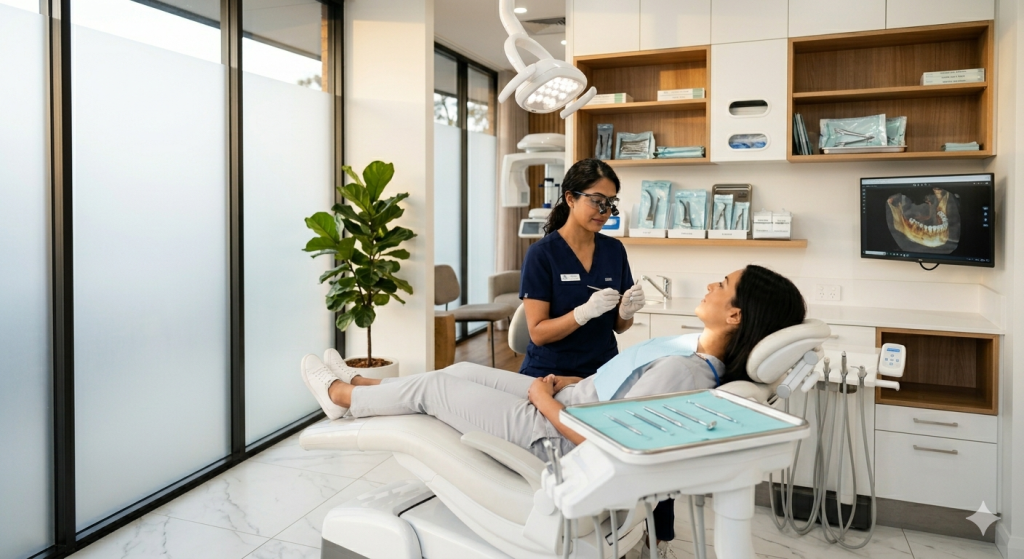
Dental implants in Lakewood, California, offer a reliable solution for anyone dealing with missing teeth. They replace lost teeth with durable, natural-looking implants that restore both function and confidence. This treatment is designed to feel comfortable and blend seamlessly with the rest of your smile.
Many patients worry about the process and recovery, but modern dental technology has made implants quicker and less invasive than before. Clinics in Lakewood focus on patient comfort, using advanced techniques to ensure minimal discomfort and faster healing.
Whether someone needs a single tooth replaced or a full set, dental implants can make a significant difference in daily life. If you’re curious about how they work or want to explore options, consulting with a local dental expert is a good next step.
What Are Dental Implants?
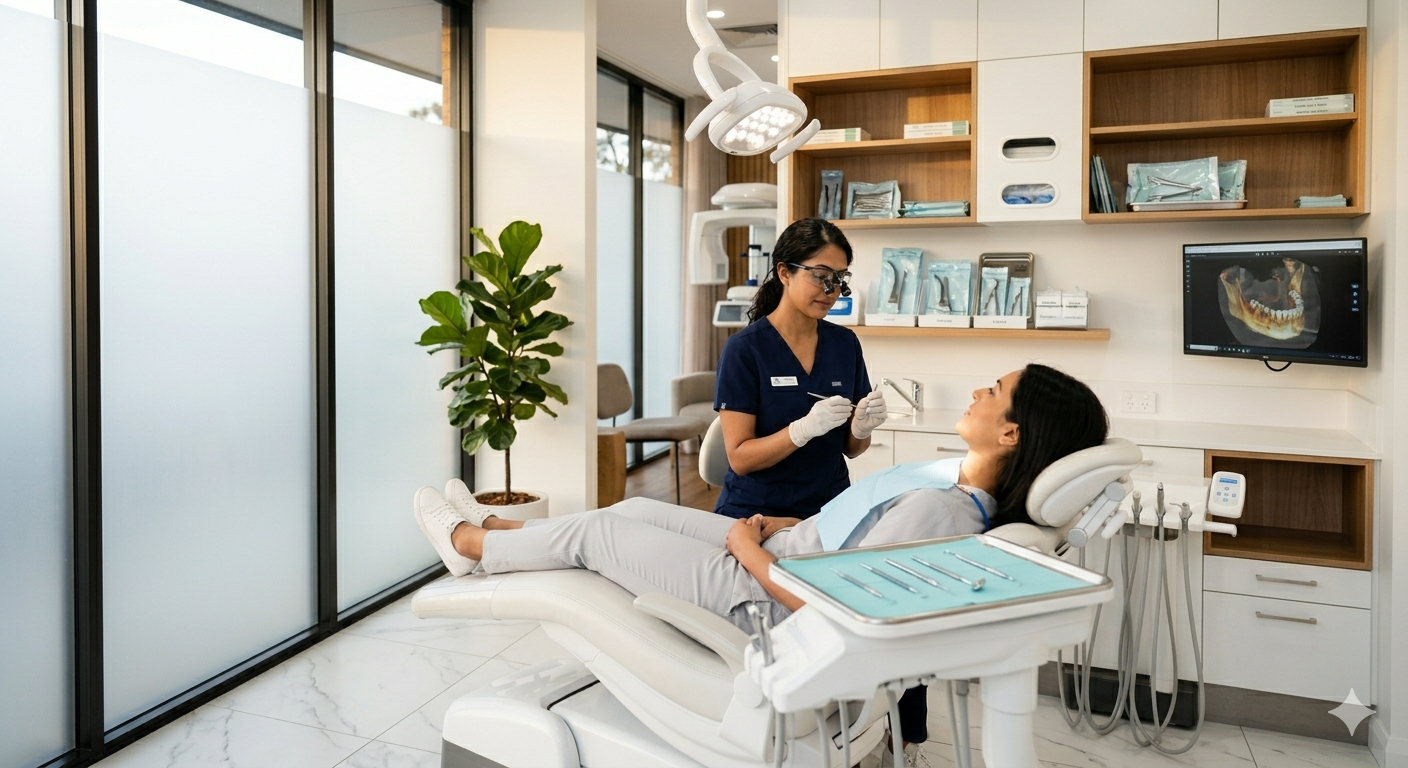
Dental implants are a reliable solution for replacing missing teeth and restoring natural function. They provide long-lasting support and can improve both the look and health of a smile without affecting nearby teeth.
Definition and Key Benefits
A dental implant is a small titanium post that acts as an artificial tooth root. It’s surgically placed into the jawbone where the missing tooth was. Over time, the bone fuses with the implant, creating a strong foundation.
Key benefits include improved chewing ability, prevention of bone loss, and preservation of facial structure. Implants also avoid the shift of neighboring teeth, unlike bridges. Many patients appreciate the natural look and feel, which helps boost confidence.
How Dental Implants Work
Dental implants work by integrating with the jawbone in a process called osseointegration. This bonding makes the implant stable enough to hold crowns, bridges, or dentures securely.
After the implant is positioned, a healing period lasting several months allows bone growth. Once stable, a custom-made crown is attached to the implant via an abutment, restoring the tooth’s appearance and function. The process is carefully planned to ensure comfort and the best possible fit.
Types of Dental Implants
There are several types of dental implants tailored to different needs:
- Endosteal implants: The most common type, inserted directly into the jawbone. Suitable for most patients.
- Subperiosteal implants: Placed on top of the bone but under the gum, ideal for those with insufficient bone height.
- Zygomatic implants: Anchored in the cheekbone for patients with severe bone loss in the upper jaw.
Each type offers unique advantages depending on bone condition and individual health. Dentists in Lakewood assess these factors to recommend the best option.
Why Choose Dental Implants in Lakewood, California?
Lakewood offers a unique blend of community care, advanced dental technology, and lifestyle advantages for those considering dental implants. These elements work together to provide high-quality, patient-centered treatment in a comfortable and familiar setting.
Community-Focused Dental Care
Dental practices in Lakewood prioritize personalized service and long-term patient relationships. Many local dentists emphasize understanding each patient’s specific dental history and lifestyle. This approach ensures treatment plans that suit individual needs rather than one-size-fits-all solutions.
Patients often find the friendly atmosphere in Lakewood clinics comforting, which helps reduce anxiety about implant procedures. Offices frequently offer flexible scheduling and follow-ups, accommodating busy lifestyles. The community spirit extends to promoting preventive care, helping patients maintain implant health over time.
Local Expertise and Technology
Dentists in Lakewood stay current with the latest implant techniques and technology. Many use 3D imaging and guided implant surgery tools to improve accuracy and success rates. This technology minimizes recovery time and enhances patient comfort.
Practitioners often receive specialized training focused on implants and bone preservation. Their knowledge covers everything from implant placement to restoring function and aesthetics. This expertise reduces the risk of complications and ensures strong, natural-feeling results.
The combination of skill and modern equipment makes Lakewood a competitive location for dental implants, providing outcomes similar to major metropolitan areas but with a more personal touch.
Benefits for Lakewood Residents
Choosing dental implants locally means easier access to care and follow-up appointments. Residents benefit from shorter travel times and the chance to build trust with their dental team. This convenience encourages timely maintenance exams and quick responses to any issues.
Dental implants also improve quality of life by restoring chewing ability and speech. In Lakewood, patients can enjoy their favorite local foods without discomfort or worry. Implants support bone health, preventing facial sagging that can occur with missing teeth.
Affordability is another factor; many Lakewood offices offer flexible payment plans, making implants more accessible. This approach helps residents invest in lasting dental health without financial stress.
Who is a Good Candidate for Dental Implants?
Determining candidacy for dental implants depends on the condition of a person’s oral health, bone density, and overall medical status. A personalized evaluation focuses on these elements to ensure the best outcome and long-term success.
Signs You May Need Implants
People who have lost one or more teeth due to injury, decay, or dental disease might consider implants. Difficulty chewing, slipping dentures, or gaps in the smile are common signs. Implants offer a stable, natural-looking alternative to bridges or removable dentures.
If jawbone loss has begun, implants can often still be an option, but a bone graft might be necessary first. Persistent discomfort or embarrassment over missing teeth also signals that exploring implants could improve quality of life.
Health and Age Considerations
Good candidates typically have healthy gums and sufficient bone density to support implants. Chronic conditions like diabetes or immune disorders require careful management before implant surgery. Smoking can impair healing, so quitting improves success rates.
Age is less of a barrier than overall health. Adults and seniors alike can receive implants if their jawbone is fully developed and medical conditions are controlled. Maintaining oral hygiene and regular checkups are critical for implant health.
Personalized Consultation Process
A thorough consultation includes a dental exam, X-rays, and possibly 3D imaging to assess bone structure. The dentist reviews medical history and discusses lifestyle factors to tailor the treatment plan. This step ensures implants fit well and function properly.
Patient questions and concerns are addressed to ease any anxiety. A clear outline of the procedure, recovery timeline, and costs helps set realistic expectations. This personalized approach builds confidence in choosing dental implants.
Dental Implant Procedure: Step by Step
Understanding the dental implant process helps patients feel more comfortable and prepared. From the initial evaluation to healing, each step is carefully planned to ensure successful and lasting results.
Initial Assessment and Planning
The process begins with a thorough dental exam, including X-rays and 3D scans. These images help the dentist assess bone density and the exact location for the implant. Reviewing medical history and discussing any health concerns is essential.
During this visit, the dentist creates a personalized treatment plan. This includes deciding if additional procedures like bone grafts are necessary. Clear communication about costs, timelines, and what to expect also happens here to ease patient worries.
Implant Placement Process
The implant placement typically happens under local anesthesia to keep patients comfortable. The dentist surgically inserts a titanium post into the jawbone. This post acts as an artificial tooth root.
A temporary crown or healing cap is placed on top to protect the implant site. The implant then begins a process called osseointegration, where the bone bonds with the post for stability. This step usually takes several months.
Healing and Recovery Timeline
Healing varies but generally takes 3 to 6 months. During this phase, patients should follow care instructions like avoiding hard foods and practicing good oral hygiene.
Regular check-ups monitor how well the implant integrates. Once fully healed, the dentist attaches the permanent crown. This final step restores full function and appearance, letting patients smile and chew confidently again.
Comfort and Safety During Treatment
Dental implant procedures in Lakewood, California, focus on minimizing discomfort and ensuring patient safety at every step. Advanced techniques and personalized care help patients feel at ease from start to finish.
Modern Pain Management Options
Pain control during dental implant treatment has improved with targeted local anesthesia that numbs only the treatment site. This allows patients to remain awake and comfortable without widespread numbness. Dentists often use gentle injection techniques to reduce discomfort during anesthesia administration.
Post-procedure, over-the-counter pain relievers like ibuprofen are typically prescribed to manage any tenderness. In some cases, doctors may recommend stronger medications for a short period. Patients usually experience mild discomfort that fades within a few days.
Maintaining open communication about pain levels during appointments helps dentists adjust anesthesia or pain management plans as needed, ensuring patients feel supported throughout the process.
Sedation for Nervous Patients
For patients anxious about dental implants, sedation options are available to promote relaxation and reduce stress during treatment. Nitrous oxide, or “laughing gas,” is commonly used because it works quickly and wears off soon after the procedure.
Oral sedatives may be prescribed before arriving, offering a calming effect without putting the patient fully to sleep. For more complex cases, intravenous (IV) sedation provides deeper relaxation while allowing easy control over sedation levels.
Before using any sedation, dental professionals review medical history and discuss preferences to find the safest, most comfortable option for each individual.
What to Expect During Your Visits
The dental implant process typically begins with a detailed consultation and imaging to plan precise placement. On the day of surgery, patients can expect a calm environment with friendly staff ready to assist.
During the implant placement, patients lie back comfortably while the dentist works efficiently to minimize procedure time. Afterward, clear instructions will be given for recovery and follow-up visits, including hygiene tips and what sensations to expect.
Each visit is designed to be clear and manageable, with staff available to answer questions and support patient comfort throughout healing and implant restoration stages.
Caring for Your Dental Implants
Proper care for dental implants focuses on consistent daily habits, regular professional visits, and mindful lifestyle choices that support their longevity. Maintaining clean implants and monitoring their health helps prevent complications.
Daily Cleaning and Maintenance
Daily cleaning is essential to keep dental implants free from plaque and bacteria. Using a soft-bristled toothbrush, patients should brush twice a day, paying special attention to the gumline where implants meet natural tissue.
Flossing or using interdental brushes specifically designed for implants removes debris between teeth. Avoid using regular floss aggressively; instead, gently slide it around the implant to protect surrounding gums.
Rinsing with an antimicrobial mouthwash can help reduce bacterial buildup but should not replace brushing and flossing. Drinking plenty of water throughout the day also aids in keeping the area clean by washing away food particles.
Professional Check-Ups
Routine dental visits are critical for monitoring the condition of implants. Dentists will examine the implant sites to check for signs of inflammation, bone loss, or mechanical issues like loosening components.
During check-ups, professional cleanings remove hardened plaque deposits that home care cannot. These cleanings are performed with specialized tools designed not to damage the implant surface.
Typically, implant maintenance appointments are scheduled every 6 months, but patients with higher risk factors, like gum disease or smoking, may need more frequent visits. Early detection of problems improves the chances of effective treatment.
Tips for Long-Term Success
Lifestyle habits play a big role in the long-term health of dental implants. Avoid smoking and limit consumption of staining substances like coffee and red wine to maintain both implants and surrounding gums.
Eating a balanced diet rich in vitamins and minerals supports bone health, which is crucial for implant stability. Foods high in calcium and vitamin D contribute to stronger jawbones.
Patients should avoid excessive force on implants by steering clear of hard or sticky foods and habits like nail-biting or chewing ice. Using a night guard can protect implants in patients who grind their teeth.
Regular communication with a dental care provider ensures any concerns are addressed early, helping implants serve effectively for many years.
Comparing Dental Implants to Other Tooth Replacement Options
Dental implants offer a unique set of benefits when compared to traditional tooth replacement methods. Understanding the functional differences and care requirements can help patients in Lakewood, California, make informed decisions suited to their needs.
Implants vs. Bridges
Dental bridges rely on neighboring teeth for support by anchoring a false tooth between them. This means the adjacent teeth often need to be filed down, which can weaken healthy enamel over time. Implants, on the other hand, are placed directly into the jawbone, preserving the integrity of surrounding teeth.
Implants also provide a more durable solution. While bridges typically last 5 to 15 years with good care, implants can last decades due to their integration with the bone. Bridges may feel less natural and require more maintenance to prevent decay beneath the crowns.
Implants vs. Dentures
Dentures are removable appliances that rest on the gums, replacing multiple teeth at once. They tend to be less expensive upfront but can cause discomfort or slipping during eating and speaking.
Implants offer a fixed, stable option that functions much like natural teeth. They prevent bone loss by stimulating the jawbone, unlike dentures, which can accelerate bone deterioration. Dentures often require adhesives and adjustment over time, while implants need regular cleaning similar to real teeth.
Patients valuing comfort and long-term oral health often prefer implants despite their higher initial cost.
Cost and Financing for Dental Implants in Lakewood
Dental implants in Lakewood come with a range of costs that depend on specific treatment needs. Understanding these factors and the available payment options helps patients plan effectively and reduce financial stress.
What Influences Dental Implant Costs
The cost of dental implants varies based on several important factors. The number of implants needed is a major driver—single implants cost less than multiple or full-mouth replacements. The type of implant system used also affects price, with advanced materials typically costing more.
Additional procedures like bone grafts or sinus lifts add to the total bill. The experience and location of the dental office in Lakewood influence fees as well. On average, a single implant with crown placement in this area ranges from $3,000 to $5,000. Personalized consultation helps clarify exact expenses.
Insurance and Payment Options
Many dental insurance plans offer limited or no coverage for implants, as they are often classified as cosmetic. However, some plans may cover parts of the procedure like extractions or bone grafts.
Lakewood dental offices often provide flexible payment plans to make treatment affordable. Options include financing through third-party lenders with low monthly payments or in-house plans with no interest for a set term. Patients should discuss payment options directly with their provider to find a plan that fits their budget and timeline.
Finding the Right Dental Implant Provider in Lakewood
Choosing a dental implant provider involves more than just location. It’s about trust, experience, and clear communication to make sure patients feel comfortable and informed throughout their treatment.
Questions to Ask Your Dental Team
Patients should ask specific questions to understand the provider’s approach and expertise. For example:
- How many dental implants do you place yearly?
- What type of implant brands and technology do you use?
- Can you show before-and-after photos of previous patients?
- What sedation or pain management options are available?
- How do you handle complications, if they arise?
These questions help reveal how skilled the provider is and how they prioritize patient comfort. It’s important the dental team listens and clearly explains the process, risks, and aftercare.
Evaluating Experience and Patient Reviews
Experience matters because implant success depends on precision and knowledge. Providers with considerable training in implant dentistry are preferable. Specialists, like oral surgeons or periodontists, often have deeper expertise.
Patient reviews offer a real-world glimpse into a practice’s reputation. Look for comments on:
- Staff friendliness
- Wait times
- Post-surgery follow-up care
- Overall satisfaction with implant results
Consistent positive feedback can reassure new patients that they are choosing a reliable and caring team for their dental implants.
Next Steps: Begin Your Smile Transformation
Starting a dental implant journey in Lakewood, California, begins with a simple consultation. During this visit, the dentist evaluates your oral health, discusses your goals, and explains the process step-by-step.
Patients often appreciate knowing what to expect. The initial exam includes X-rays or 3D scans to plan the implant placement precisely. This helps ensure comfort and accuracy.
Here’s what typically follows:
- Treatment planning: Custom design of your implant and restoration.
- Surgical placement: A minor procedure to insert the implant post.
- Healing period: Time for the bone to integrate with the implant.
- Final restoration: Attachment of the crown, bridge, or denture.
Comfort and communication are key throughout. The dental team answers questions patiently and offers options like sedation if needed.
Patients are encouraged to maintain good oral hygiene and attend follow-ups to support long-term success.
If you’re thinking about dental implants, scheduling a consultation is the best way to explore your options. A friendly expert can guide you through every stage, making sure you feel confident and cared for.
Frequently Asked Questions
Dental implants can be a big step, and many patients want clear, practical answers before moving forward. Understanding costs, candidacy, health considerations, and the treatment timeline helps make the process feel more manageable.
How much do dental implants typically cost in California, and what factors can change the final price?
Dental implants in California generally range from $3,000 to $6,000 per implant. The final price depends on factors like the number of implants needed, whether bone grafting or sinus lifts are required, and the type of restoration used.
Location, the dentist’s experience, and the complexity of the case can also influence the cost. Some dental plans may cover parts of the procedure, so it’s good to check insurance benefits beforehand.
Am I a good candidate for dental implants if I’ve had gum disease or bone loss in the past?
Patients with a history of gum disease or bone loss can still get dental implants, but it requires careful evaluation. Additional treatments like bone grafting might be necessary to create a strong foundation for the implant.
Good oral hygiene and gum health must be maintained before and after the procedure to improve success rates. Your dentist will guide you through the best preparatory steps.
Can people with autoimmune conditions safely get dental implants, and what extra planning might be needed?
People with autoimmune conditions may qualify for dental implants, but their immune status and medications are important considerations. Extra planning includes coordinating with healthcare providers and sometimes adjusting medications.
Healing may take longer, and the dentist will monitor closely for any signs of infection or complications. Clear communication about overall health is key.
What does the dental implant process look like from the first visit to the final tooth, and how long does it usually take?
The process starts with a consultation and imaging to assess bone and oral health. Then, the implant post is placed surgically, followed by a healing period typically lasting 3 to 6 months.
After healing, the abutment and crown are attached to complete the tooth. Sometimes, faster protocols are available depending on the case.
How uncomfortable is dental implant surgery, and what can I expect for pain control and healing afterward?
Most patients experience mild to moderate discomfort during and after surgery, which is manageable with local anesthesia and prescribed pain medication. Swelling and bruising are common but usually improve within a week.
Follow-up care includes keeping the area clean and avoiding certain foods. Most patients return to normal activities within a few days.
Can dental implants help improve my bite or stop my teeth from shifting, and what results are realistic?
Dental implants act like natural tooth roots, providing stability that helps improve bite function. They also prevent surrounding teeth from shifting into gaps left by missing teeth.
While implants restore chewing ability and aesthetics, maintaining regular dental check-ups helps keep the bite balanced over time. Realistic results include improved comfort and oral health, not perfection.