
When a dental emergency strikes, finding reliable care quickly is crucial. In Bradenton, FL, emergency dentists are ready to provide fast, effective treatment to relieve pain and prevent further damage. Accessing a skilled emergency dentist in Bradenton means patients can get timely care for issues like severe toothaches, broken teeth, or injuries without a long wait.
These dental professionals understand that emergencies are stressful and often scary. They focus on patient comfort and use modern treatments to address urgent problems gently and efficiently. Whether it’s a lost filling or a sudden infection, an emergency dentist in Bradenton offers clear solutions tailored to each situation.
Knowing where to turn when dental problems arise can make all the difference. Patients are encouraged to keep emergency contact details handy and ask questions about care options to feel confident and prepared if the need for urgent dental help comes up.
Recognizing Dental Emergencies
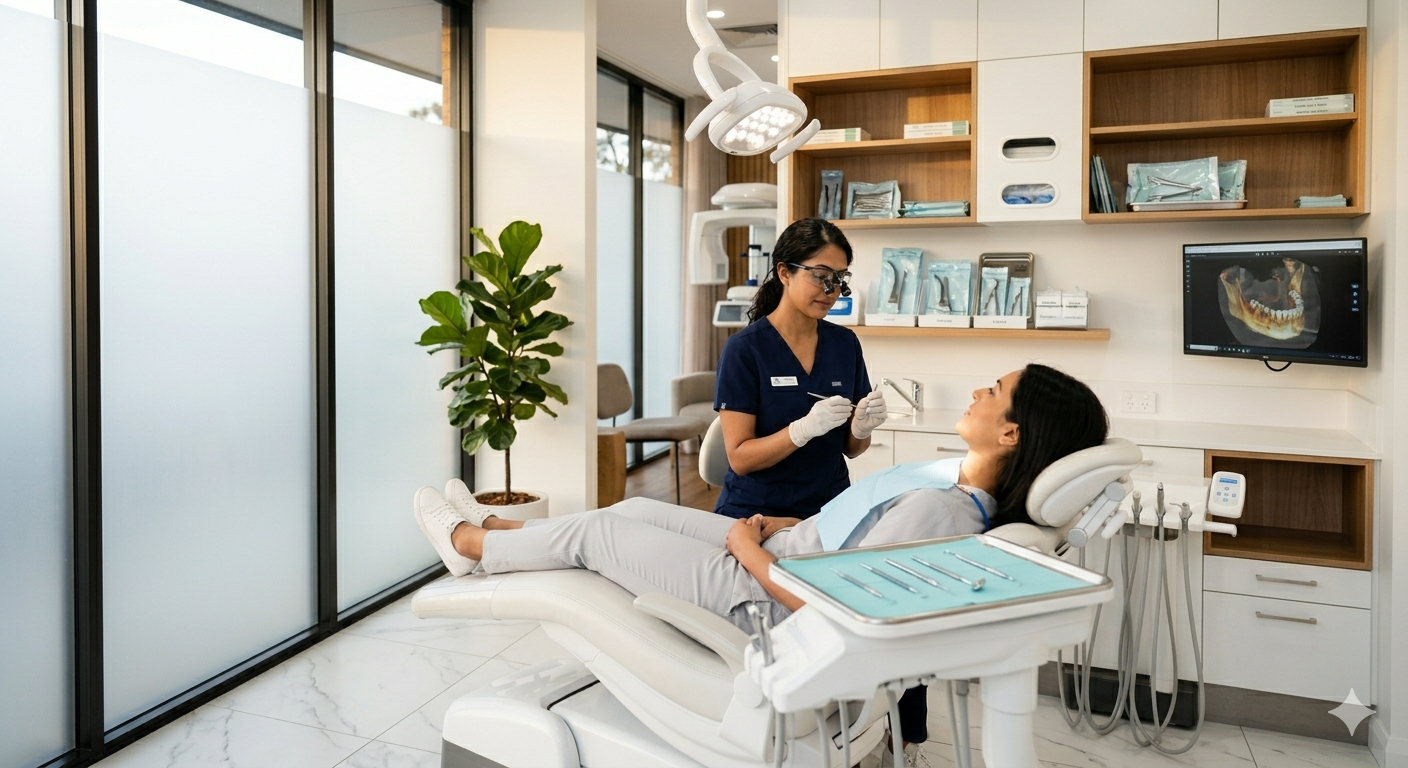
Knowing when a dental issue needs urgent attention can prevent further pain and complications. Some signs clearly indicate a serious problem, while others might seem painful but can wait for a regular appointment. Understanding these differences helps patients make informed decisions quickly.
Common Signs of Urgent Dental Issues
Severe tooth pain that lasts more than a day is a key sign of a dental emergency. Swelling around the tooth or jaw can indicate infection or abscess, which requires prompt care. Bleeding that doesn’t stop within 15 minutes after an injury or dental work is another warning sign.
Other urgent symptoms include a knocked-out tooth, loose teeth from trauma, sudden sensitivity to hot or cold, and broken teeth exposing nerves. Fever and bad taste in the mouth with pain can point to infection. These signs need fast professional assessment to avoid worsening.
When to Seek Immediate Help
Patients should seek immediate care if they experience extreme pain disrupting sleep or eating, visible trauma to the mouth, or uncontrollable bleeding. A tooth knocked out completely needs emergency dental treatment within an hour to improve chances of saving it.
Signs like swelling in the face or neck accompanied by difficulty swallowing or breathing require emergency room attention. Continuous bleeding after oral surgery or injury, along with intense pain, means urgent intervention is needed. Quick action reduces risk of serious health issues.
Differences Between Minor and Major Dental Concerns
Minor dental problems include mild toothaches, slight sensitivity, or small chips that don’t cause pain. These can usually wait for a routine dental visit. Major concerns involve infections, deep cracks, or injuries affecting nerves or bone.
Minor issues typically don’t involve swelling, heavy bleeding, or fever. Major problems often cause persistent pain, visible damage, and systemic symptoms like fever. Understanding these differences helps patients prioritize care and avoid unnecessary emergency visits.
If unsure, it’s best to contact a dental professional to assess the situation and guide next steps promptly.
What To Do Before You Arrive
Preparing carefully before arriving at an emergency dental office can ease pain and protect your teeth. Knowing simple steps to manage discomfort, secure a knocked-out tooth, or care for broken teeth makes a big difference during stressful moments.
Steps for Managing Pain at Home
If pain strikes before seeing the dentist, managing it safely at home is critical. Over-the-counter pain relievers like ibuprofen or acetaminophen can reduce inflammation and discomfort. Avoid aspirin directly on the gums, as it may cause irritation.
Applying a cold compress on the cheek near the affected area helps numb pain and reduce swelling. Use the compress for 10-15 minutes every few hours. Avoid hot drinks and sticky foods that can worsen sensitivity or cause more damage until professional care is available.
Maintaining good oral hygiene is important. Gently rinse with warm salt water every few hours to clean the mouth and ease inflammation without disturbing the injury.
How to Handle a Knocked-Out Tooth
A tooth knocked out demands immediate attention to improve the chance of saving it. Handle the tooth by the crown (the chewing surface), not the root, to avoid damaging cells necessary for reattachment.
If dirty, gently rinse the tooth with milk or saline solution—avoid scrubbing or using soap. If possible, try to place the tooth back into the socket immediately. If reinsertion isn’t possible, keep the tooth moist by storing it in milk, saline, or inside the cheek.
Avoid touching the root and do not let the tooth dry out. Time is critical; ideally, get to the dentist within 30 minutes to maximize the chances of successful reimplantation.
Caring for Broken or Chipped Teeth
When a tooth breaks or chips, first rinse the mouth with warm water to clean the area. Use gauze or a clean cloth to stop any bleeding by applying gentle pressure. Avoid biting down on the injured tooth to prevent further damage.
Save any tooth fragments and bring them to the dentist, as they can assist with repair options. Applying a cold compress to the outside of the mouth can reduce swelling and ease discomfort.
If pain persists, take over-the-counter pain medication as directed. Avoid hard or crunchy foods and keep the mouth’s injured area clear until treatment. Prompt dental care will provide the best chance to restore the tooth’s function and appearance.
State-of-the-Art Emergency Care in Bradenton
Emergency dental care in Bradenton combines the latest technology with patient-focused treatments to provide quick relief and effective solutions. From managing intense pain to precise diagnosis and restoring damaged teeth, modern techniques make a big difference in emergencies.
Advanced Pain Relief Techniques
Bradenton emergency dentists use targeted pain management methods to help patients feel comfortable immediately. Local anesthesia is commonly applied to numb the affected area quickly, allowing treatment without discomfort. For those anxious about dental visits, sedation dentistry options like nitrous oxide offer calmness during urgent procedures.
Pain relief doesn’t stop at numbing. Anti-inflammatory medications and specialized gels reduce swelling and discomfort after treatment. These approaches ensure patients can get back to their daily routine with minimal pain and stress.
Digital Diagnostics and Quick Assessments
Time is crucial in a dental emergency. Bradenton clinics rely on digital X-rays and intraoral cameras to get real-time images of the damaged tooth or surrounding structures. This technology speeds up diagnosis, helping dentists understand the problem clearly and plan precise treatment.
Digital tools also help detect issues invisible to the naked eye, like cracks or root damage. These fast assessments minimize wait times and unnecessary procedures, making emergency visits more efficient and less stressful.
Modern Restorative Solutions
Once pain is managed and diagnosis is complete, restoring function and appearance comes next. Bradenton emergency dentists use materials like tooth-colored composites and durable ceramics for repairs. These options blend well with natural teeth, offering a seamless look.
For more severe trauma, crowns or onlays can protect weakened teeth while maintaining strength. If a tooth can’t be saved, dental implants are an effective long-term replacement, restoring both smile and chewing ability. Each treatment is tailored to the patient’s needs, emphasizing lasting results and comfort.
Types of Emergency Treatments Available
Emergency dental care in Bradenton covers a range of urgent issues, from injuries to painful infections. These treatments focus on quickly stopping pain, preventing further damage, and restoring function.
Repairing Dental Trauma
Dental trauma includes chipped, cracked, or knocked-out teeth. Dentists use different techniques depending on the injury’s severity.
For a chipped tooth, bonding with tooth-colored resin often restores shape and appearance. Cracks may require crowns to protect the tooth from breaking further.
If a tooth is knocked out, quick action matters. The dentist tries to reimplant it within an hour, increasing chances of success. If reimplantation isn’t possible, options like dental implants or bridges are discussed.
Emergency care also includes treating soft tissue injuries around the mouth. Controlling bleeding and reducing swelling is a top priority to ensure comfort and prevent infection.
Relief for Toothaches and Abscesses
Toothaches often signal infection or decay that needs immediate care. Dentists diagnose the source, then provide targeted treatment to ease pain quickly.
For abscesses, antibiotics are prescribed to tackle infection. Draining pus may be necessary to relieve pressure and reduce swelling.
In some cases, a root canal treatment helps save the tooth by removing infected tissue inside. Pain relief is a major focus, using local anesthesia or medication.
If decay is severe, urgent tooth extraction may be needed. The dentist will discuss replacement options later to maintain oral health.
Treatment for Lost Fillings or Crowns
Losing a filling or crown can leave teeth vulnerable and sensitive. Emergency dentists provide fast, temporary fixes to shield the exposed area from damage.
They may clean the cavity and use dental cement to reattach the crown or fill the gap. This stops pain and prevents food or bacteria from causing further problems.
If a crown is damaged beyond repair, new restoration is planned. Patients feel reassured knowing the dentist prioritizes comfort and long-term results.
Prompt care reduces the risk of tooth decay or infection developing under a lost restoration. It’s best to see an emergency dentist as soon as possible to avoid complications.
Our Commitment to Patient Comfort
The dental team prioritizes making every visit as comfortable and stress-free as possible. From the moment patients arrive, attention to gentle care and flexible timing ensures help when it is needed most.
Gentle and Compassionate Approach
Every patient is treated with kindness and patience. The dentist uses techniques designed to minimize discomfort, such as applying topical anesthetics before injections and using gentle suction to keep the mouth clear.
Dental staff listen carefully to concerns and explain each step clearly to reduce anxiety. They work at a pace that suits the patient, allowing breaks when necessary. This approach helps patients feel secure, especially those with dental fears or sensitive teeth.
Flexible Scheduling and Rapid Response
Emergency situations demand quick action. The office offers same-day appointments for urgent cases, making it easier to get prompt relief from pain or injury.
They also provide evening and weekend hours to accommodate busy schedules. Patients can often call directly to speak with a dentist for advice before visiting. This flexibility ensures treatment happens as soon as possible, reducing stress and preventing complications.
Preventing Future Dental Emergencies
Taking steps to reduce the risk of dental emergencies can save pain, time, and expense. Consistent dental care and using the right protection during activities are key methods to keep teeth safe.
The Importance of Routine Checkups
Regular dental visits play a crucial role in preventing emergencies. Dentists can spot early signs of decay, gum disease, or weakened teeth that might lead to urgent issues later on.
During these checkups, professionals clean away plaque buildup, reducing the risk of cavities and infections. X-rays often catch problems hidden beneath the surface, such as impacted teeth or root infections, before they become emergencies.
Patients who schedule cleanings every six months usually experience fewer unexpected dental problems. These visits also allow dentists to reinforce good oral hygiene habits and advise on specific concerns like teeth grinding or sensitivity.
Protective Gear for Sports and Activities
Wearing a mouthguard is one of the simplest ways to prevent dental injuries during sports or physical activities. Mouthguards cushion blows to the mouth, protecting teeth from breaks, chips, or even tooth loss.
Custom-fit mouthguards, available through dentists, offer the best protection and comfort compared to over-the-counter versions. They stay securely in place and fit the contours of the teeth precisely, ensuring better safety during contact sports like football, basketball, or hockey.
Even in non-contact activities with a risk of falls or collisions, such as skateboarding or cycling, using appropriate gear helps reduce dental trauma. Helmets with face guards add an extra layer of defense for overall facial safety.
How to Reach a Local Emergency Dentist
Finding an emergency dentist in Bradenton, FL, starts with knowing where to look and what to expect. Many clinics offer same-day appointments or even 24/7 phone lines to handle urgent dental issues.
Steps to reach a local emergency dentist:
- Search online for “emergency dentist Bradenton FL”
- Call the office directly to explain the situation
- Ask about walk-in availability or after-hours care
It’s important to have the dental clinic’s contact saved ahead of time, especially for unexpected emergencies. If pain or injury occurs outside normal office hours, some clinics provide emergency hotlines or answering services to guide patients.
Using a local dental office ensures faster care and support. Some offices even offer virtual consultations to assess the problem before an in-person visit. This can ease anxiety and provide clear next steps.
When calling, patients should describe their symptoms clearly, mention any allergies, and ask about payment options or insurance coverage. A friendly dental team will help schedule the earliest possible appointment.
Encouraging patients to keep a list of nearby emergency dentists can make a big difference during stressful moments. It helps to stay calm knowing help is just a phone call away.
Next Steps for Bradenton Families
Families in Bradenton should start by identifying a trusted emergency dentist before a problem arises. Having a go-to professional can reduce stress when unexpected dental issues come up.
It’s a good idea to keep a list of local emergency dental clinics, along with their hours and contact information. Many offices offer after-hours services or same-day appointments, which can be lifesavers during urgent situations.
Regular dental check-ups help catch issues early and may prevent emergencies altogether. Bradenton families are encouraged to maintain routine cleanings and exams as a foundation for healthy smiles.
If a dental emergency happens, the first step is to stay calm and call the emergency dentist right away. Knowing what to do—whether it’s managing pain or preserving a knocked-out tooth—can make a significant difference.
Tips for Emergency Preparedness:
- Save important numbers in your phone
- Have a dental first aid kit at home
- Know basic steps for common emergencies
Staying informed and prepared helps families handle dental problems with confidence. They should not hesitate to reach out with any questions or concerns about emergency dental care.
Frequently Asked Questions
Knowing the right steps to take during a dental emergency can save pain and prevent further damage. Quick action and understanding when to seek care are essential for the best outcomes.
What should I do right away if I have a severe toothache in the middle of the night?
Rinse your mouth gently with warm water and floss to remove any stuck food. Avoid placing aspirin or any painkiller directly on the gums or tooth.
Using a cold compress on the cheek can reduce swelling. If pain or swelling worsens, contact an emergency dentist promptly.
Can I walk in for urgent dental care, or do I need to call ahead for an emergency visit?
Many emergency dentists prefer you call ahead to confirm availability. This helps them prepare for your visit and reduce wait times.
Some clinics accept walk-ins, but calling first ensures you receive timely attention during busy hours or after regular office times.
What can the emergency room do for dental pain or a tooth infection?
The emergency room can provide pain relief medication and antibiotics to control infection temporarily.
However, they usually cannot perform dental procedures like fillings or tooth extractions. Seeing a dentist as soon as possible is important.
How can I tell if a broken tooth or lost filling needs same-day care?
If the broken tooth causes sharp pain, cuts inside the mouth, or bleeding, same-day care is needed.
A lost filling exposing the tooth’s inner layers also requires quick treatment to avoid sensitivity and infection.
What are my options if I have a dental emergency but don’t have insurance or need a more affordable visit?
Many emergency dental offices offer payment plans or sliding scale fees. Some local clinics provide low-cost services for dental emergencies.
Calling ahead to explain your situation can help you find affordable options. It’s better to seek care promptly than wait and risk further damage.
What does the “3-3-3 rule” mean for a tooth infection, and when is it time to get help?
The “3-3-3 rule” means swelling lasting over 3 days, pain lasting more than 3 days, or any fever running over 3 days.
If you experience any of these, it’s crucial to see a dentist immediately. Untreated infections can spread and cause serious health risks.